
India is a country where history, culture, and natural beauty converge in breathtaking harmony. With one of the world’s richest collections of UNESCO World Heritage Sites, the country offers travelers a chance to explore ancient civilizations, majestic temples, bustling historical cities, and ecological wonders. These sites are not just tourist attractions—they are treasures of “Outstanding Universal Value” recognized globally for their contribution to humanity’s shared heritage.
This article takes you through the top UNESCO Heritage Sites in India that you must visit. It presents detailed insights into their history, cultural significance, best times to visit, and practical travel tips, ensuring a professional and comprehensive guide for cultural enthusiasts, history lovers, and nature seekers alike.
Understanding UNESCO World Heritage Sites
A UNESCO World Heritage Site is designated for its global significance in terms of cultural, natural, or mixed value. India currently boasts a growing list of such sites, encompassing:
Cultural sites: Architectural marvels, temples, forts, and historic cities.
Natural sites: National parks, wildlife sanctuaries, and ecological reserves.
Mixed sites: Locations combining cultural and natural significance.
Exploring these sites is not only a journey through India’s past but also a lesson in sustainable tourism and global heritage conservation.
Iconic Cultural Sites
1. Taj Mahal, Agra (Uttar Pradesh)
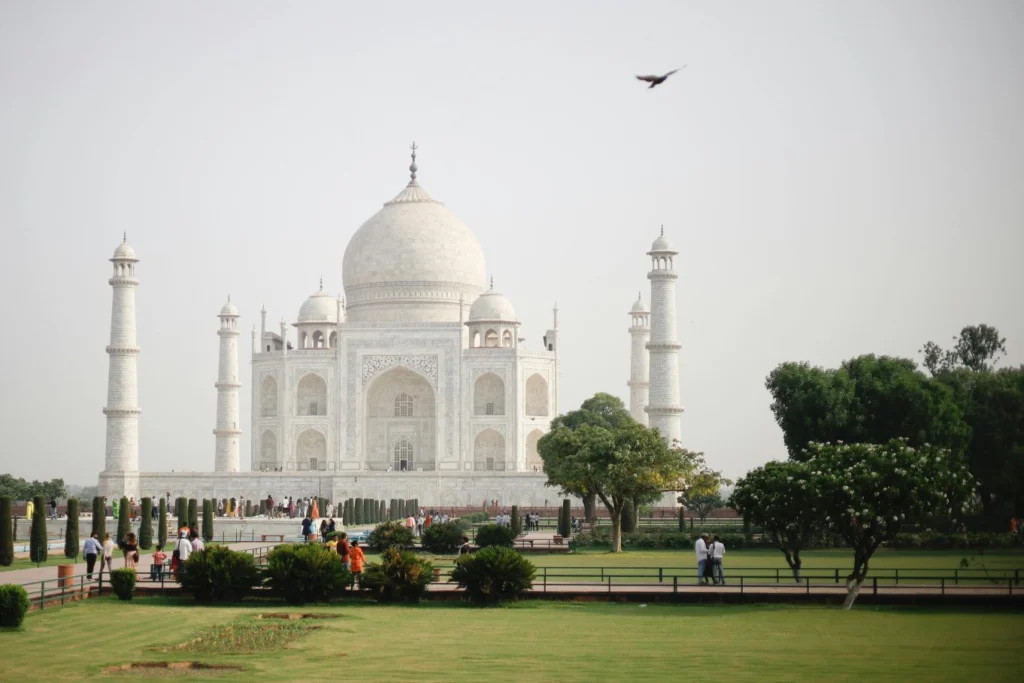
Significance:
A global symbol of love, this 17th‑century Mughal masterpiece built by Shah Jahan in memory of Mumtaz Mahal is celebrated for its white marble brilliance and intricate inlay work.
Visitor tip:
Visit at sunrise for stunning views; closed on Fridays.
2. Agra Fort, Uttar Pradesh
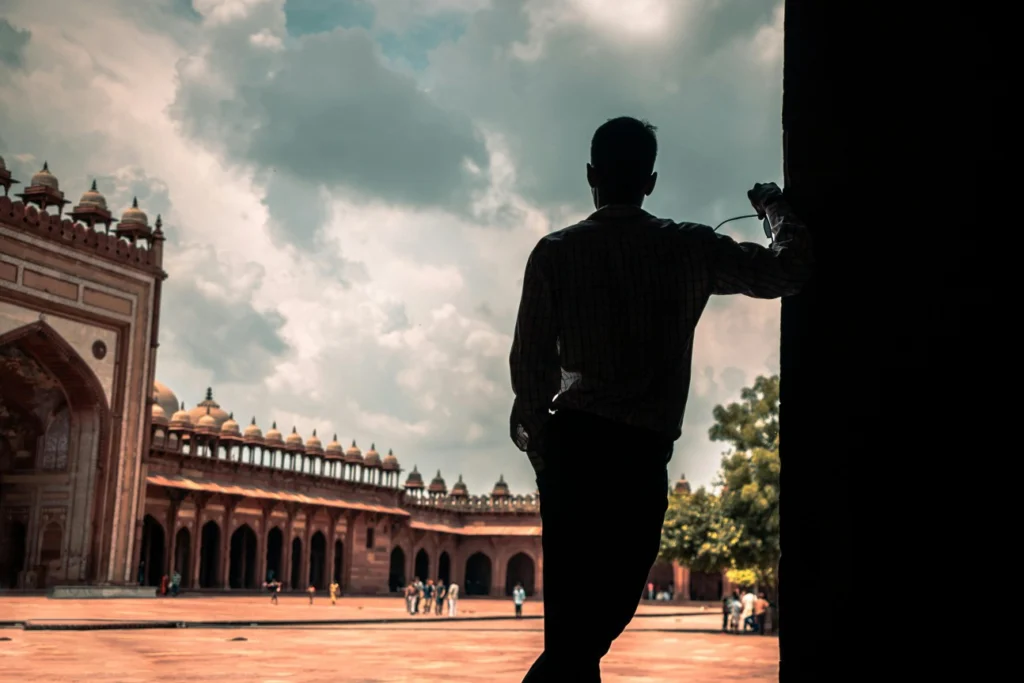
Significance:
A UNESCO‑listed Mughal fortress showcasing Indo‑Islamic architecture with palaces, mosques, and audience halls.
Visitor tip:
Best experienced as part of the Delhi–Agra–Fatehpur Sikri heritage circuit.
3. Fatehpur Sikri, Uttar Pradesh
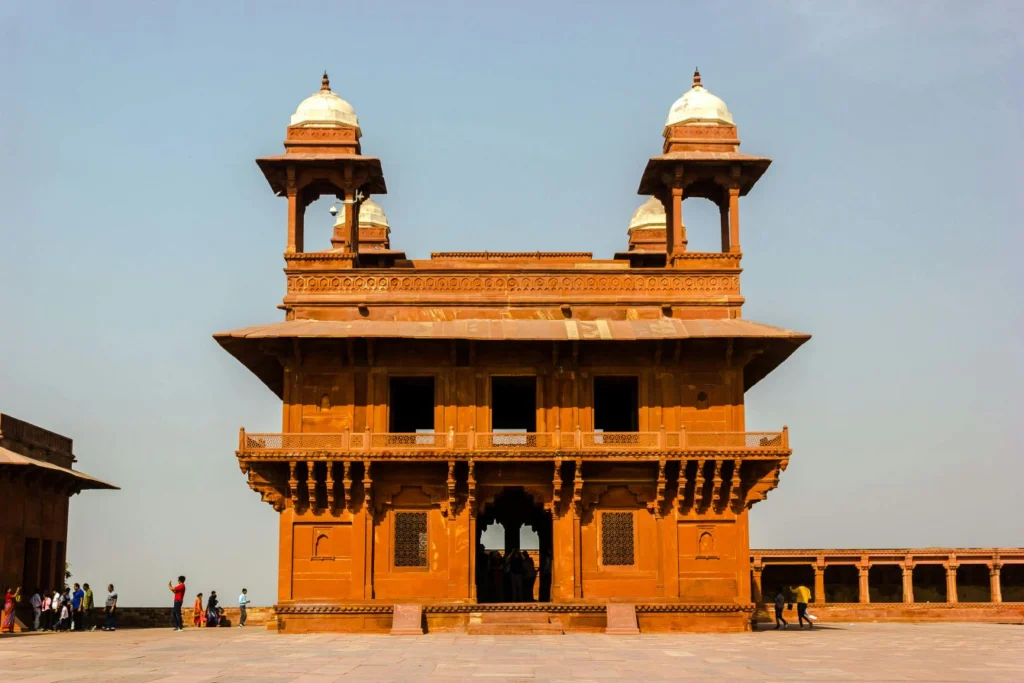
Significance:
The short‑lived Mughal capital founded by Emperor Akbar, famous for Buland Darwaza and Diwan‑i‑Khas.
Visitor tip:
Mornings are best for avoiding extreme heat in open courtyards.
4. Jaipur City, Rajasthan
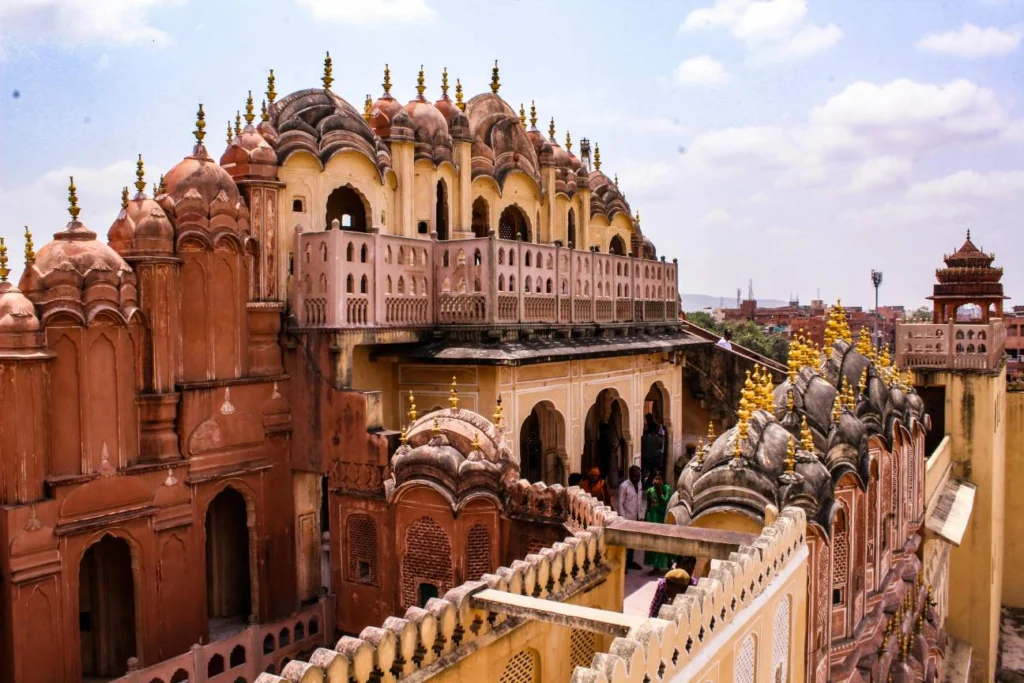
Significance:
Known as the “Pink City,” Jaipur combines heritage, urban planning, and cultural vibrancy. It houses Hawa Mahal, Amber Fort, and City Palace.
Special mention:
Jantar Mantar observatory—an architectural marvel in astronomical science.
5. Qutub Minar and Its Monuments, Delhi
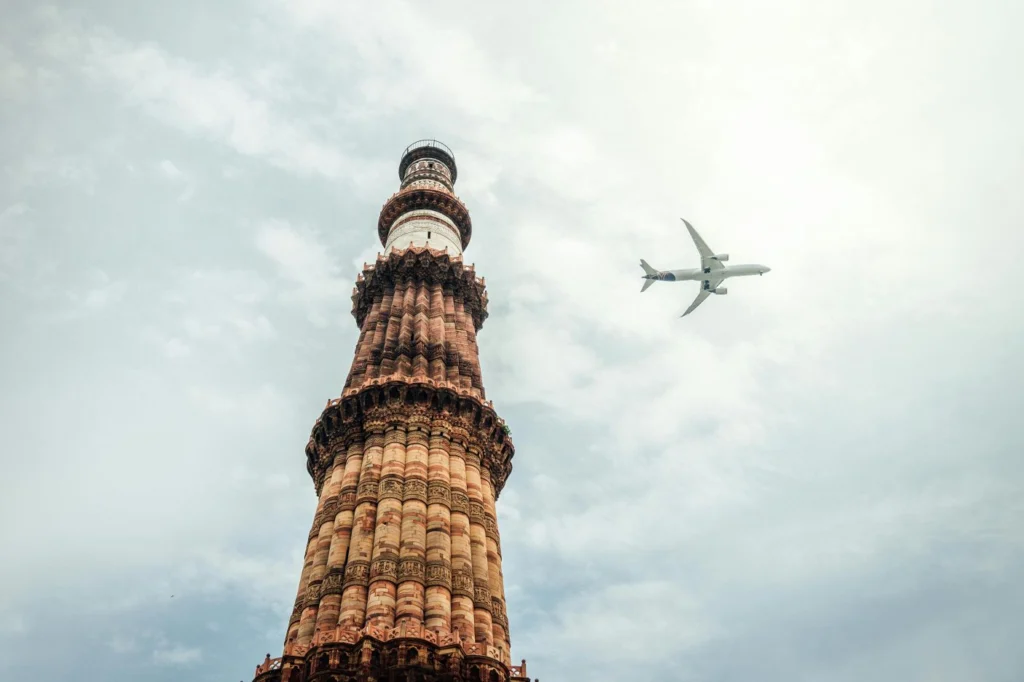
Significance:
At 73 meters, this is the tallest brick minaret in the world, surrounded by mosques and early Sultanate structures.
Visitor tip:
Late afternoon offers the best light for photography.
6. Humayun’s Tomb, Delhi
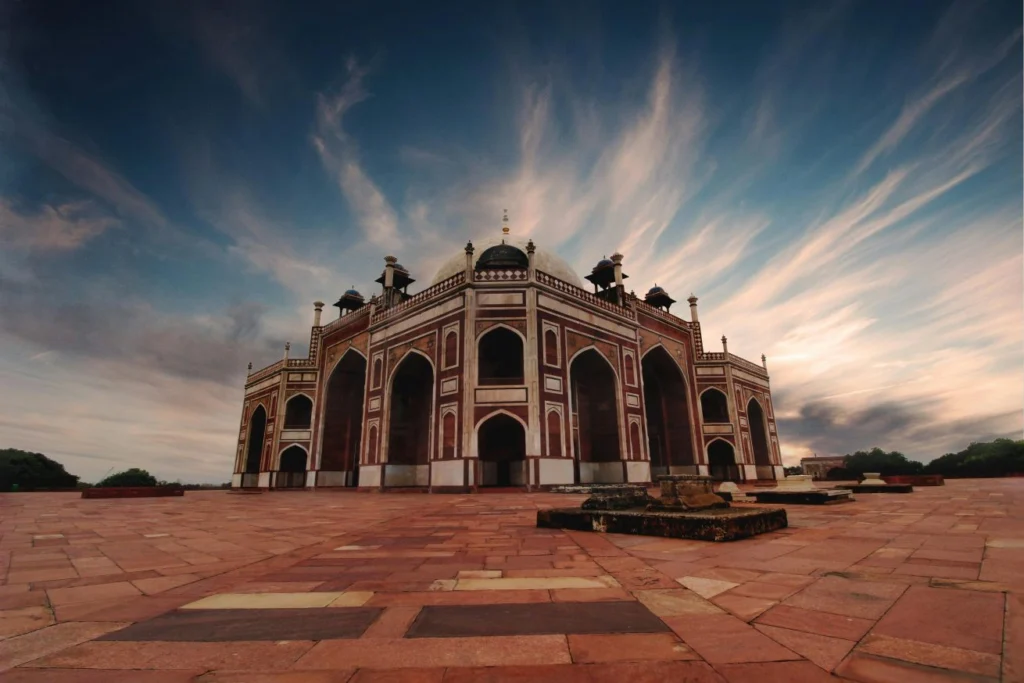
Significance:
A precursor to the Taj Mahal, this Persian‑influenced tomb set within Charbagh gardens reflects symmetry and innovation.
7. Red Fort Complex, Delhi
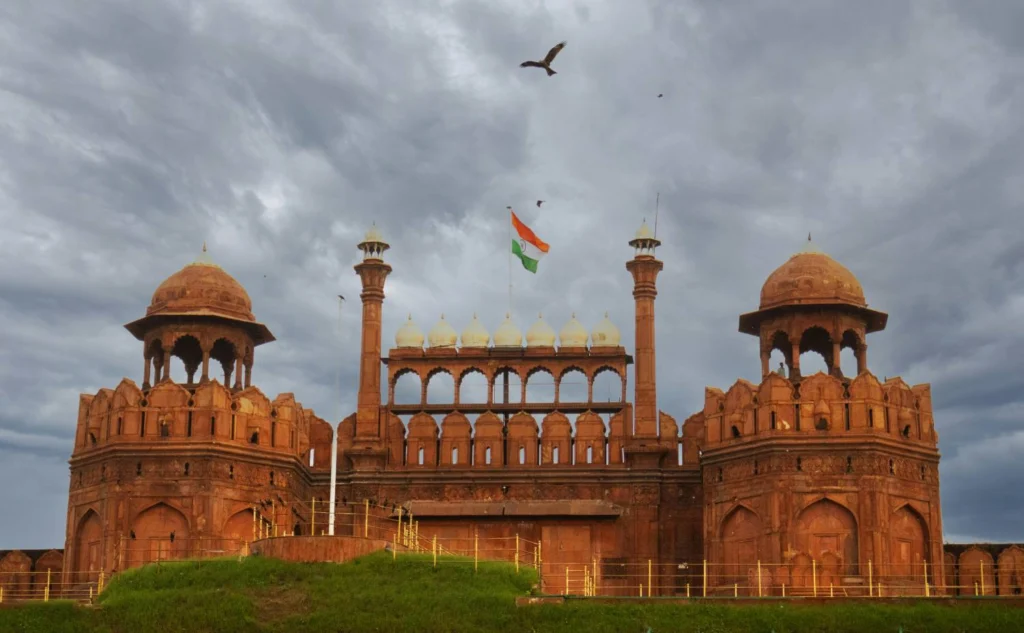
Significance:
A symbol of India’s Mughal legacy and modern independence, as the Prime Minister addresses the nation here annually on Independence Day.
8. Khajuraho Temples, Madhya Pradesh
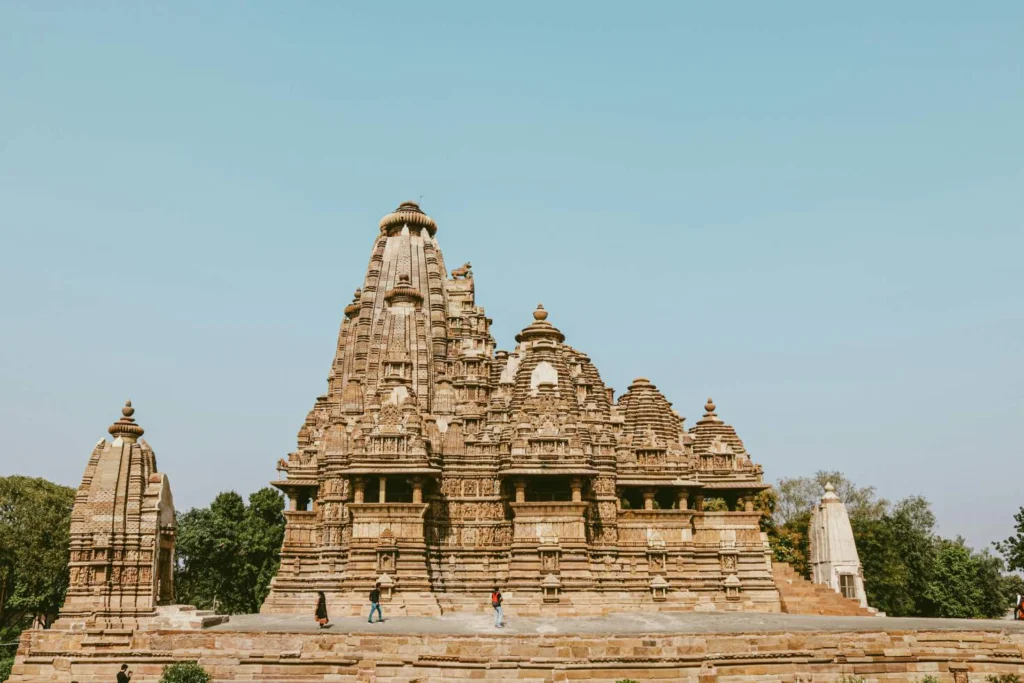
Significance:
Renowned for exquisite sculptures depicting deities, dance, and human life, including symbolic erotic carvings.
9. Ajanta and Ellora Caves, Maharashtra
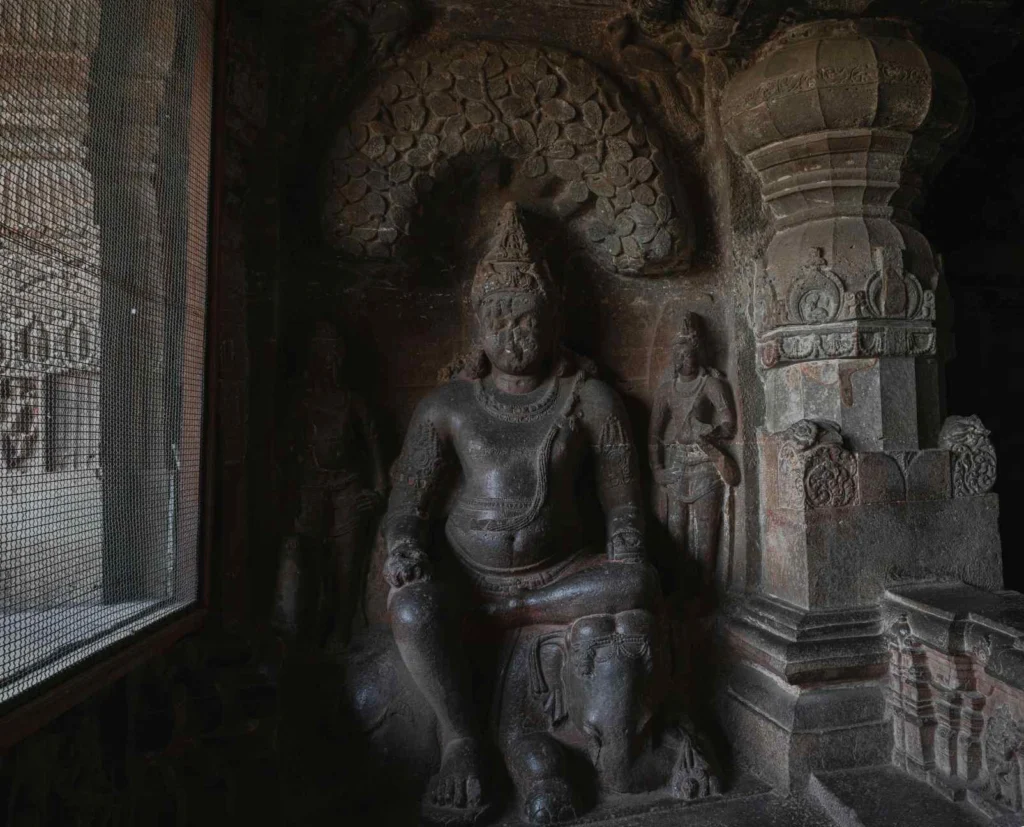
Significance:
Ajanta showcases Buddhist murals and sculptures, while Ellora’s Kailasa Temple is a monolithic wonder.
10. Elephanta Caves, Maharashtra
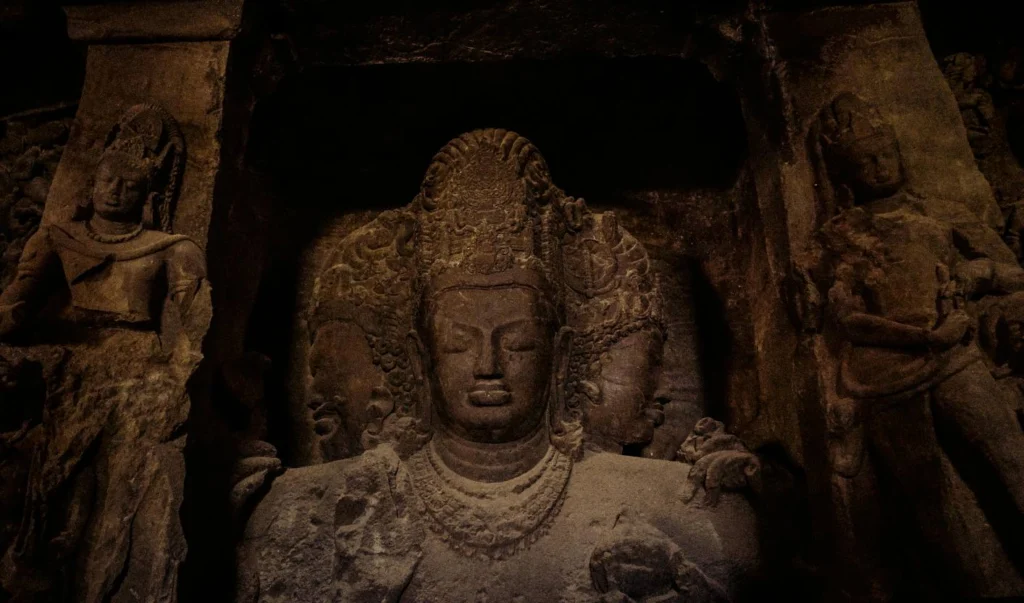
Significance:
Famous for the three‑headed Shiva relief, these rock‑cut caves reflect Hindu mythology and artistry.
11. Hampi, Karnataka
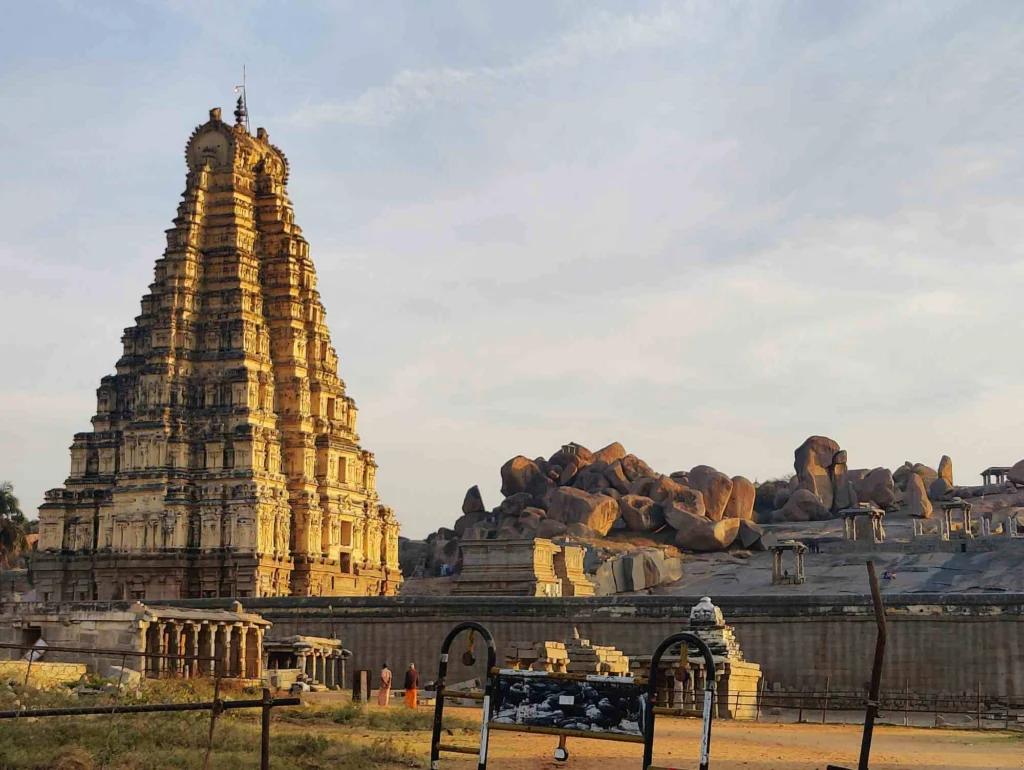
Significance:
Once the capital of Vijayanagara, its sprawling ruins and temples capture a glorious medieval empire.
12. Pattadakal, Karnataka
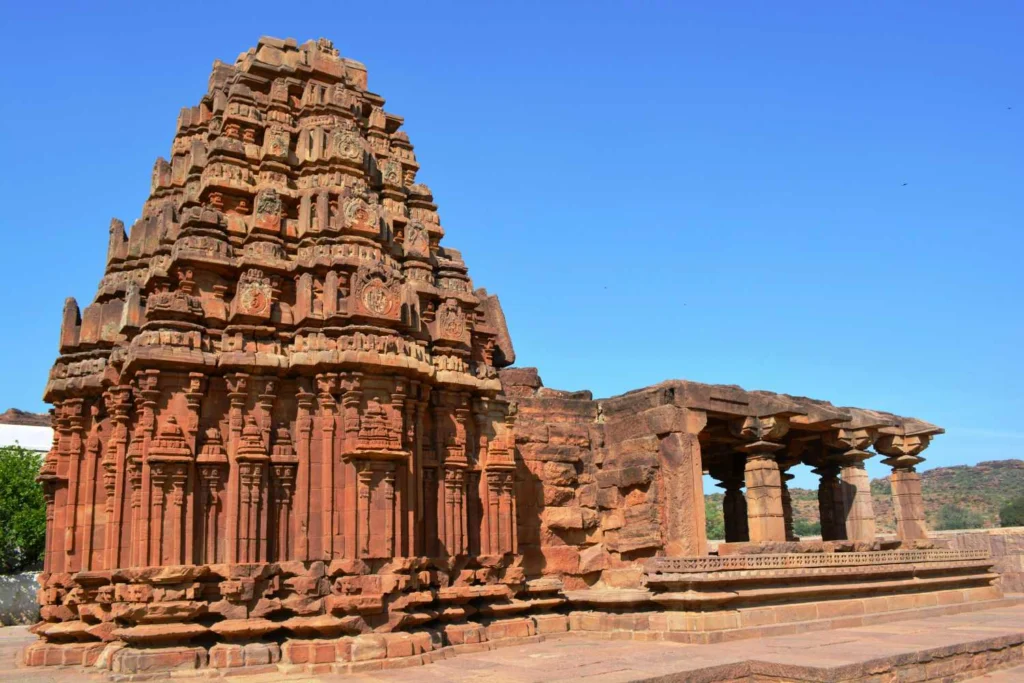
Significance:
A showcase of early temple architecture blending northern and southern Indian styles.
13. Mahabalipuram, Tamil Nadu

Significance:
Known for its Shore Temple, Arjuna’s Penance relief, and rock‑cut architecture by the Pallavas.
14. Great Living Chola Temples, Tamil Nadu
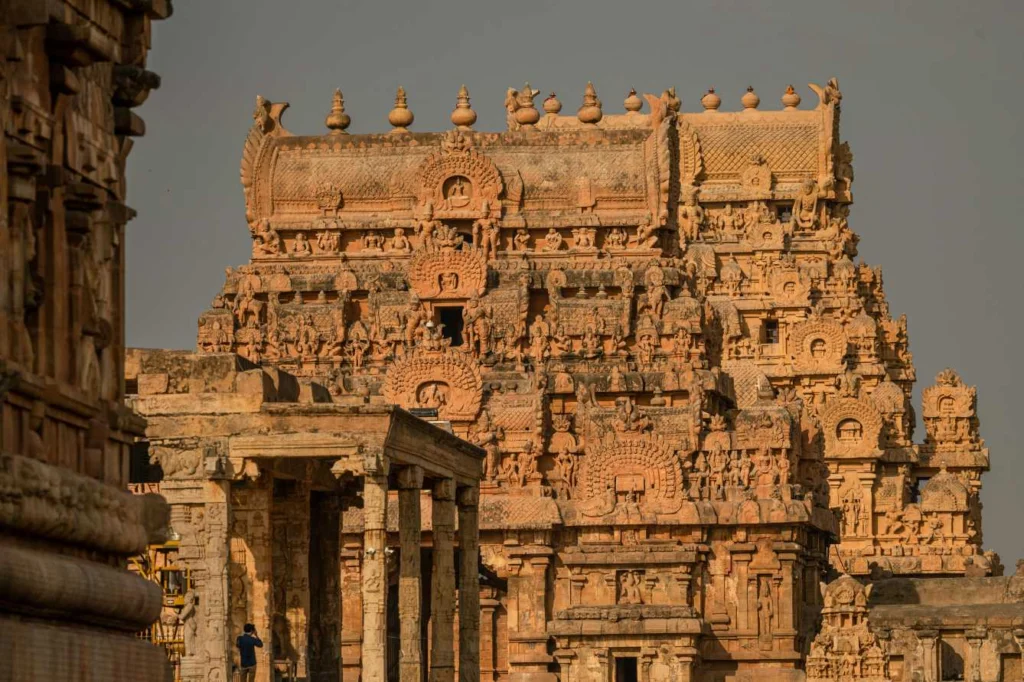
Significance:
These grand temples represent Chola architectural excellence and intricate craftsmanship.
15. Sun Temple, Konark (Odisha)
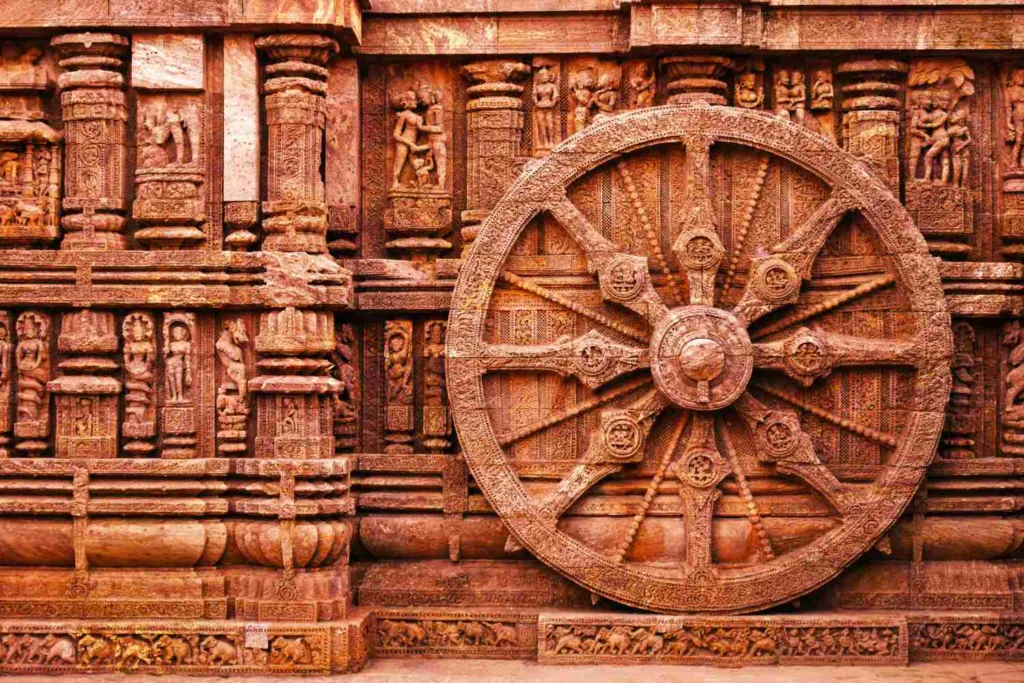
Significance:
A magnificent 13th‑century temple shaped like a chariot dedicated to the Sun God.
16. Sanchi Stupa, Madhya Pradesh
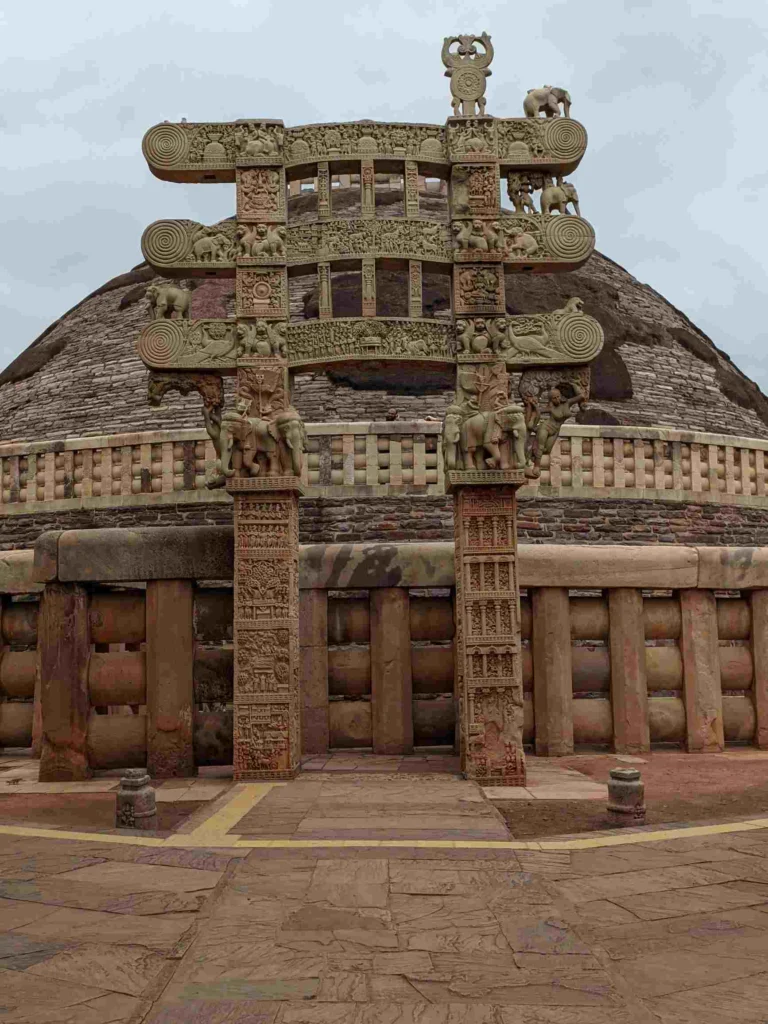
Significance:
A Buddhist pilgrimage site housing some of the oldest stone structures in India.
17. Bhimbetka Rock Shelters, Madhya Pradesh
Significance:
Prehistoric caves with rock paintings depicting human life spanning thousands of years.
18. Churches and Convents of Goa

Significance:
Reflecting Portuguese colonial legacy, including the Basilica of Bom Jesus.
19. Rani‑ki‑Vav, Gujarat
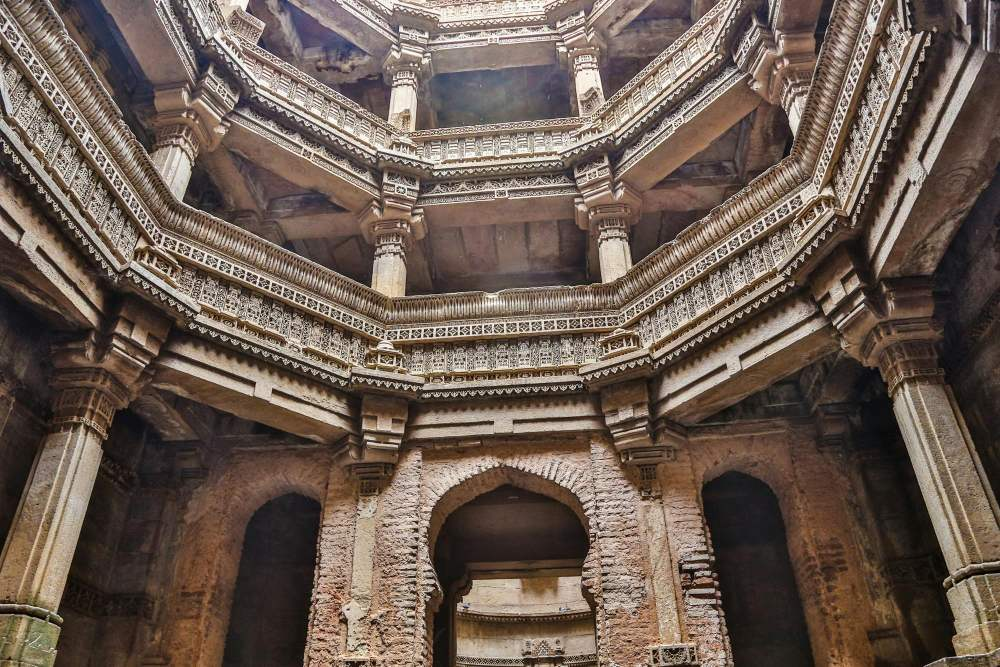
Significance:
An intricately designed 11th‑century stepwell with stunning sculptures.
20.Champaner‑Pavagadh, Gujarat
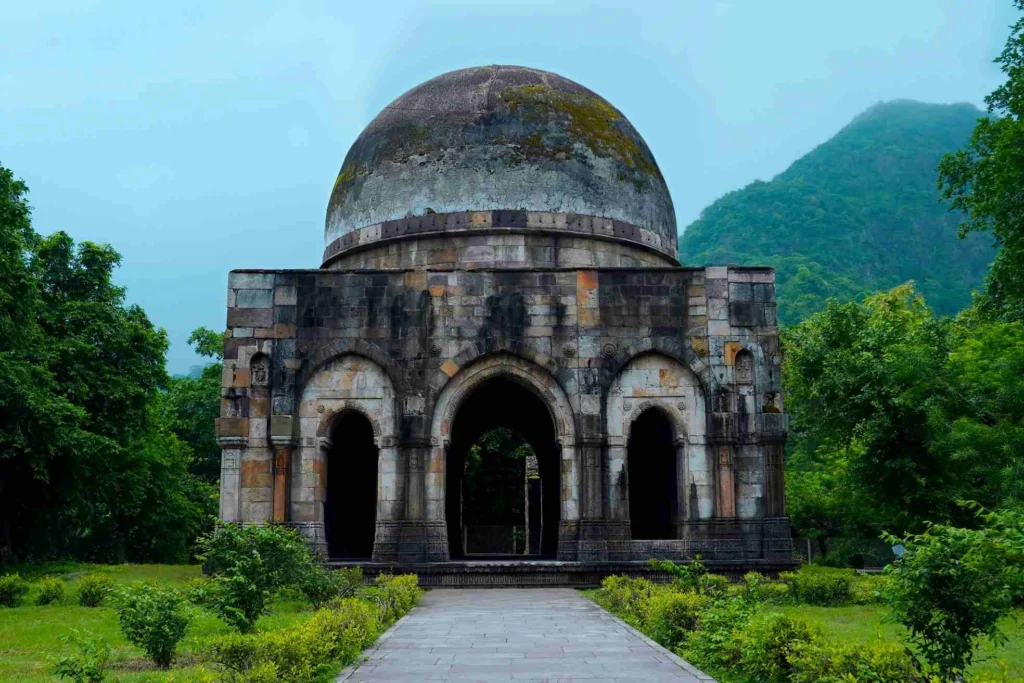
Significance:
A unique blend of Islamic and Hindu architecture in a historic urban complex.
21. Dholavira, Gujarat
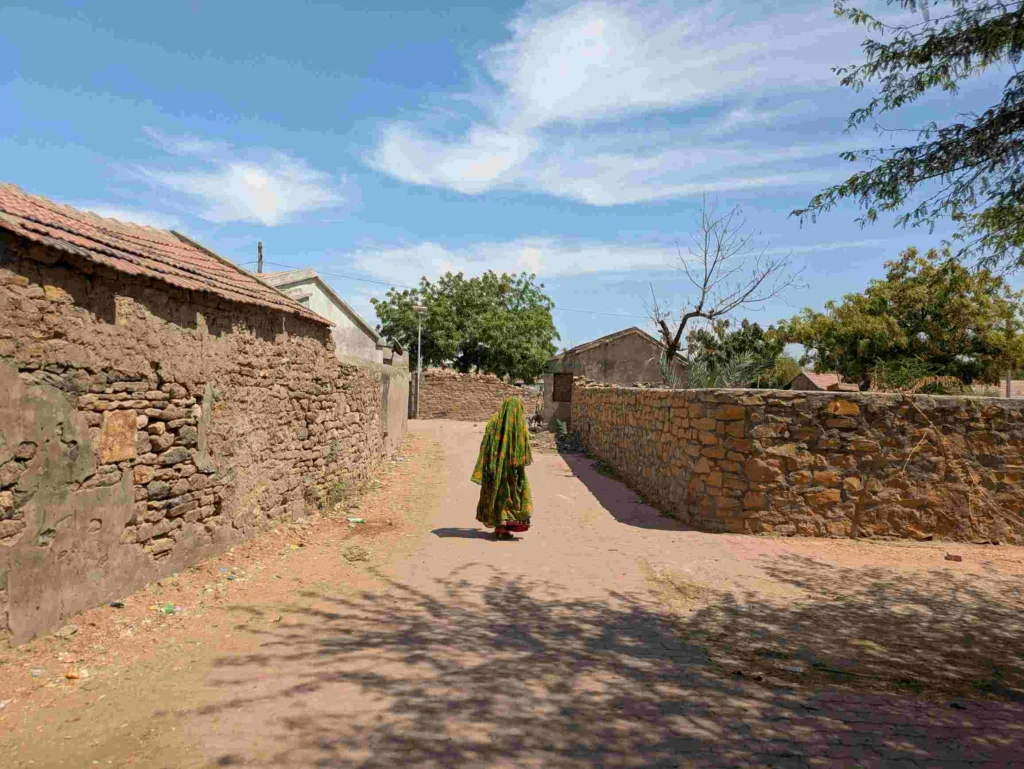
Significance:
A Harappan city revealing advanced water management and urban planning.
22. Kakatiya Rudreshwara (Ramappa) Temple, Telangana
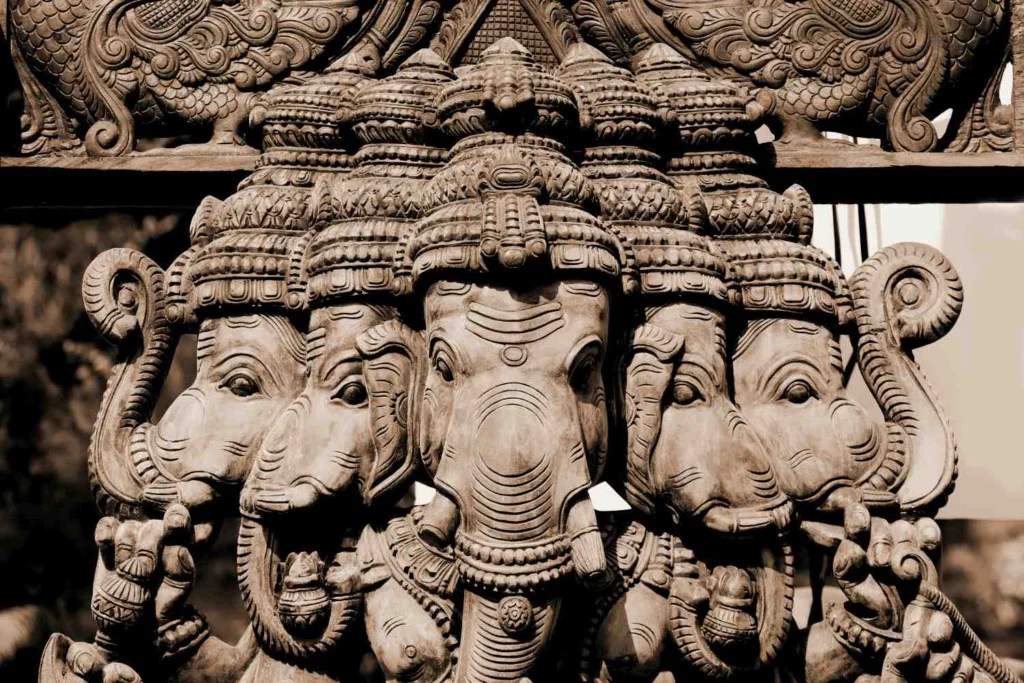
Significance:
Built in the 13th century, it is notable for its floating bricks and detailed sculptures.
23. Hoysala Sacred Ensembles, Karnataka
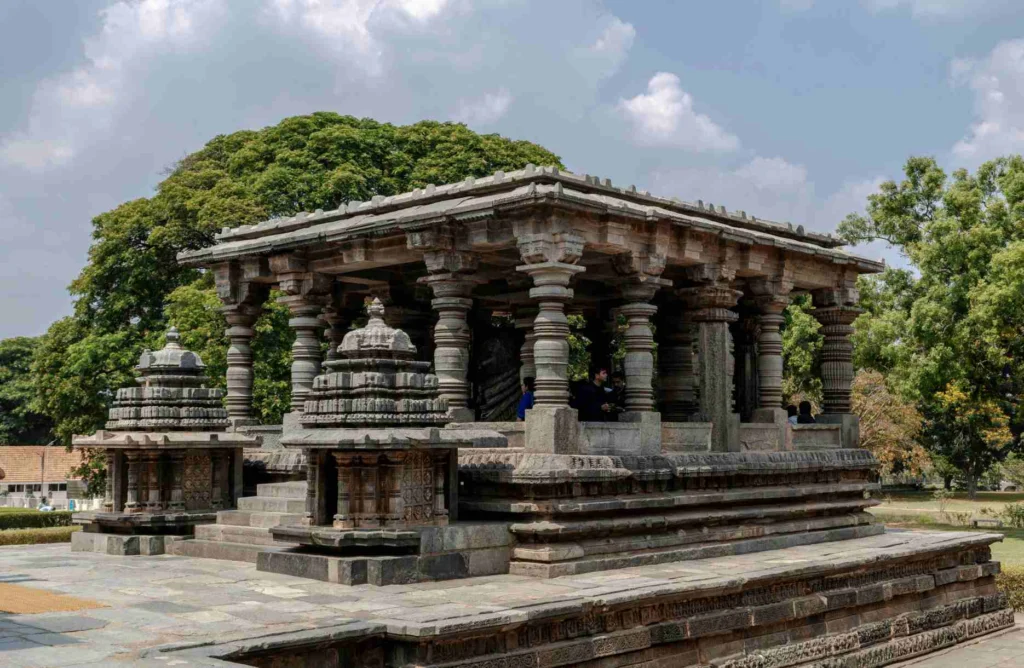
Significance:
Temples like Belur, Halebidu, and Somanathapura with intricate soapstone carvings.
24. Santiniketan, West Bengal
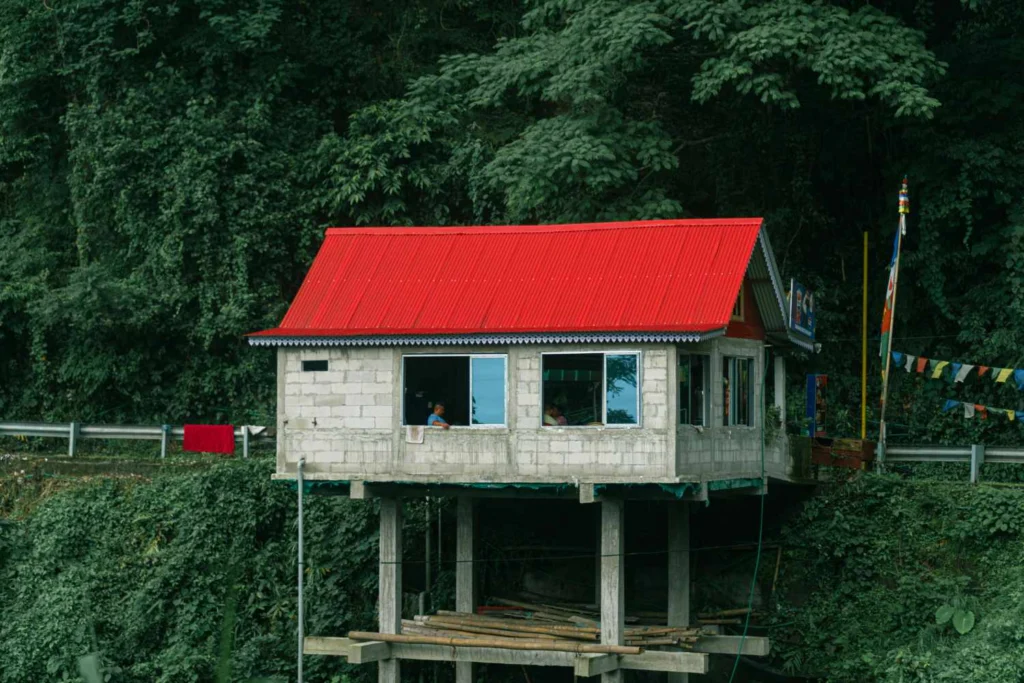
Significance:
Established by Rabindranath Tagore, it represents a pioneering model of holistic education.
Natural and Mixed Heritage Sites
25. Western Ghats (Across States)
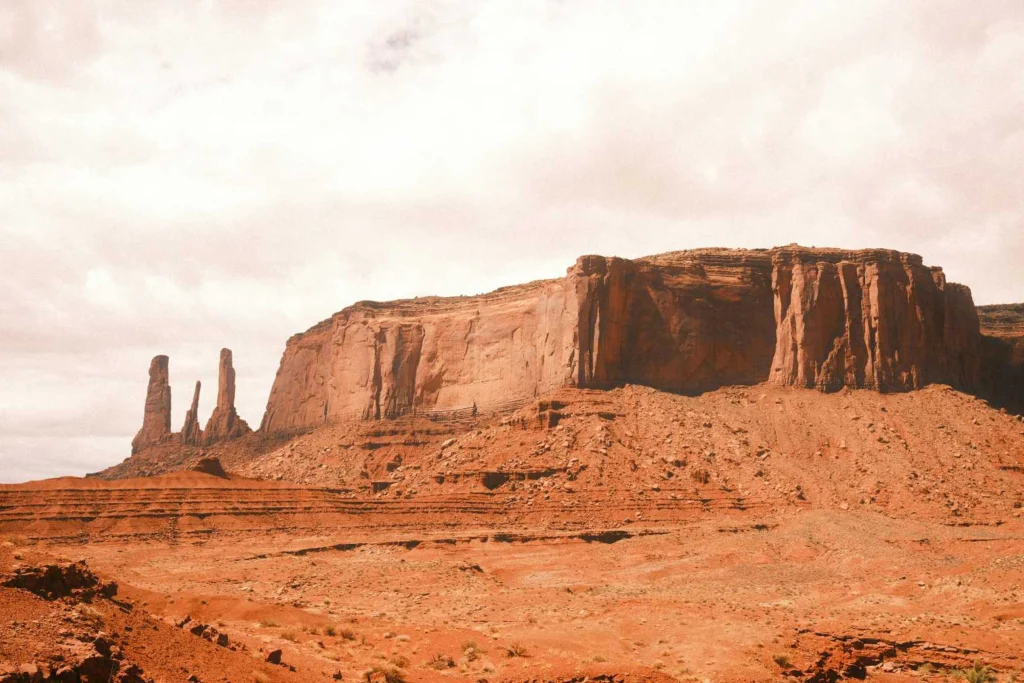
Significance:
A biodiversity hotspot home to unique flora and fauna.
26. Kaziranga National Park, Assam
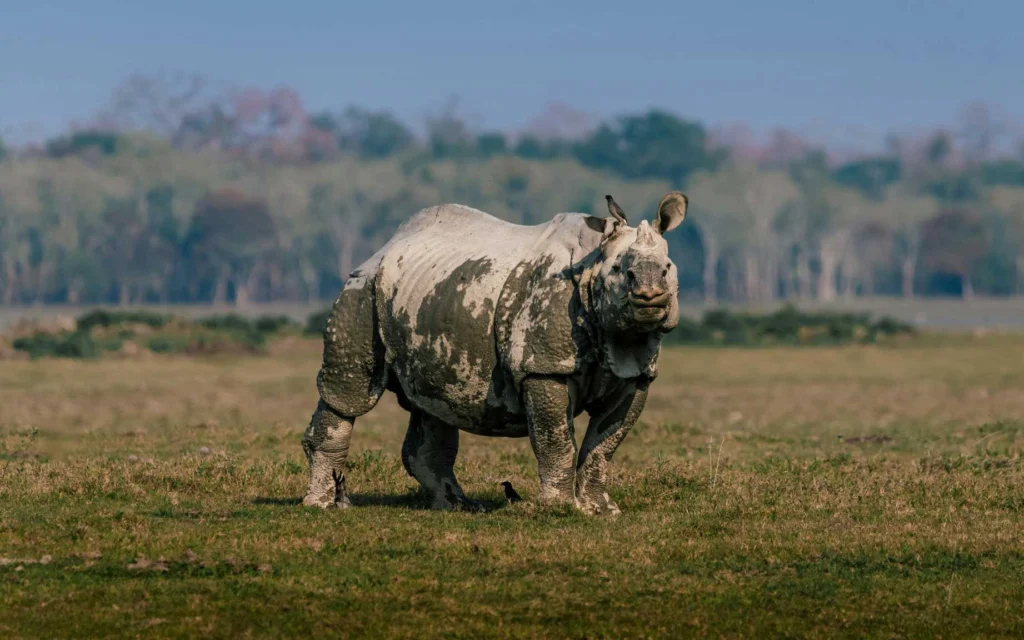
Significance:
World‑famous for the one‑horned rhinoceros and tiger habitat.
27. Sundarbans National Park, West Bengal
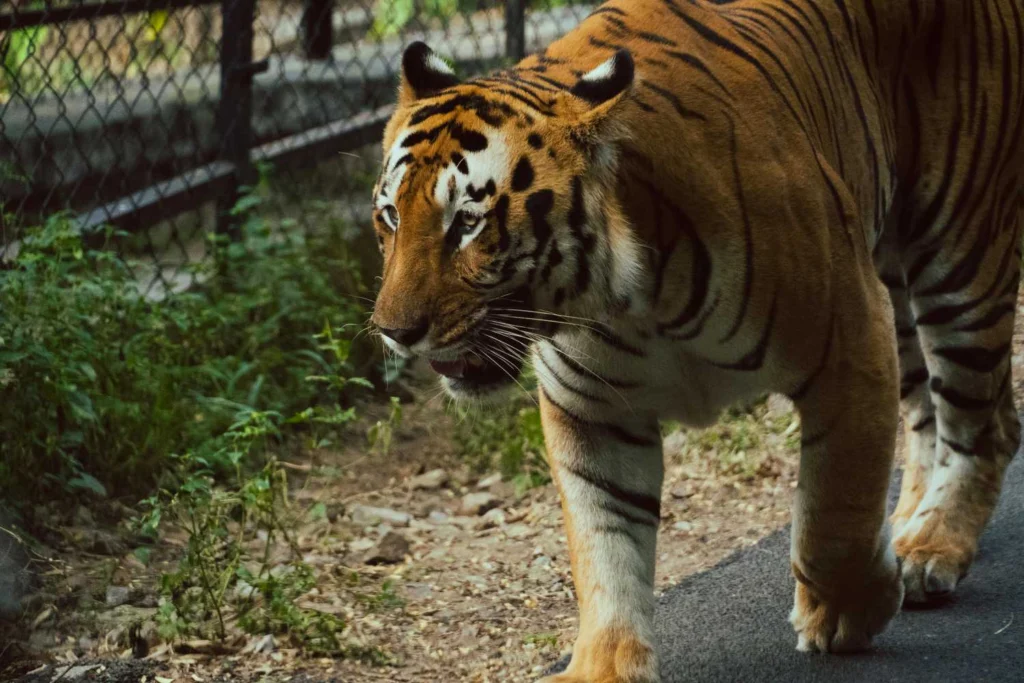
Significance:
The world’s largest mangrove forest and home of the Royal Bengal Tiger.
28. Nanda Devi & Valley of Flowers, Uttarakhand
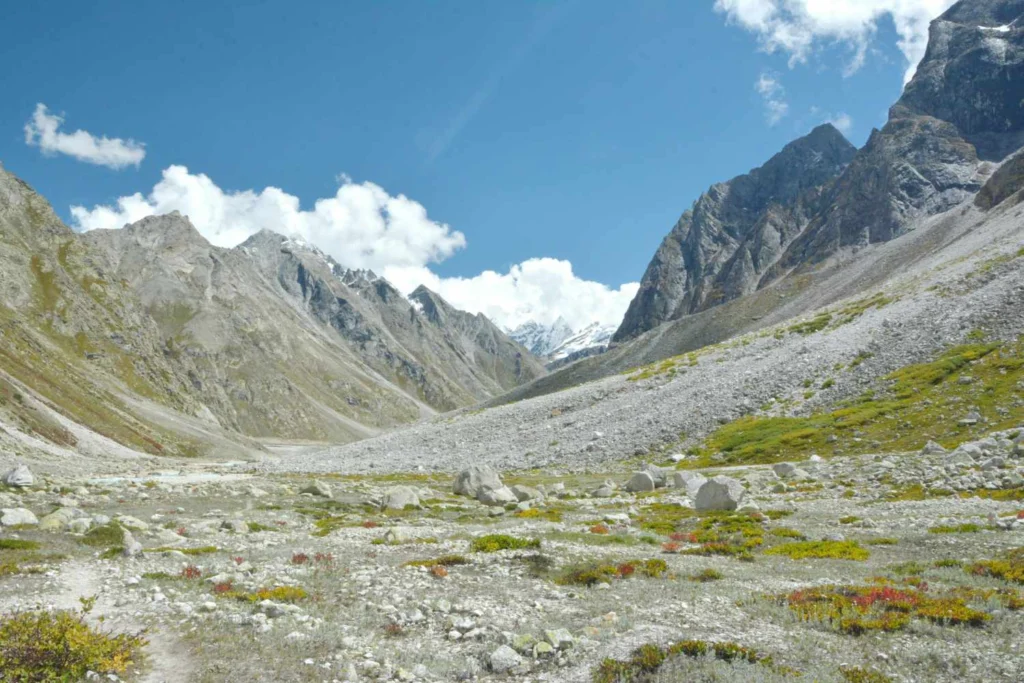
Significance:
A mixed site featuring alpine meadows, rare flowers, and towering Himalayan peaks.
29. Keoladeo National Park, Rajasthan
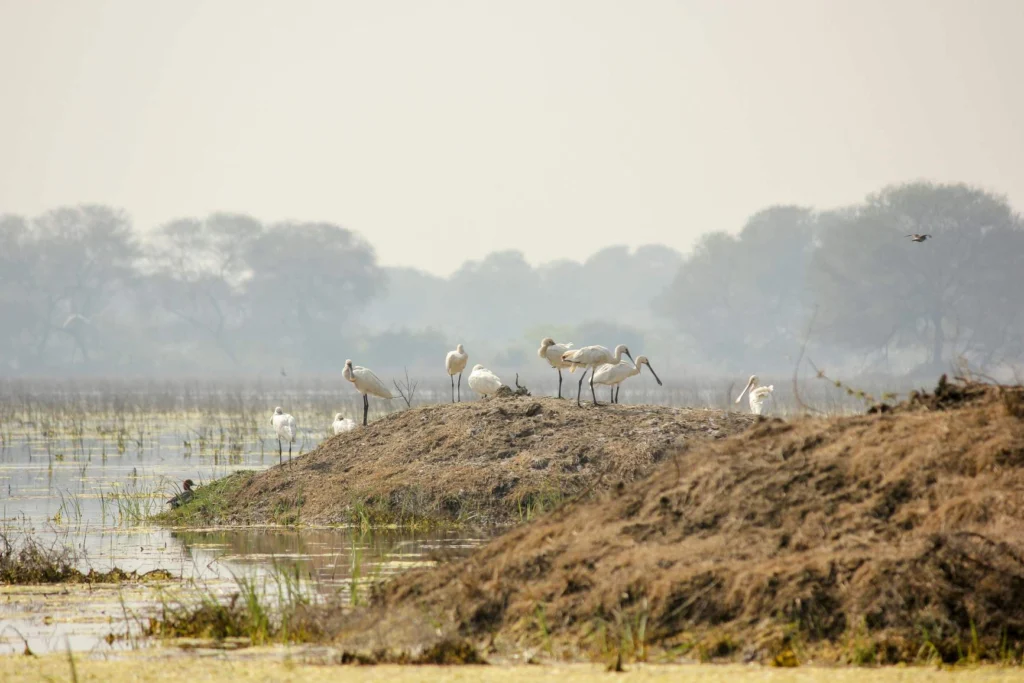
Significance:
A man‑made wetland and a paradise for migratory birds.
30. Mountain Railways of India
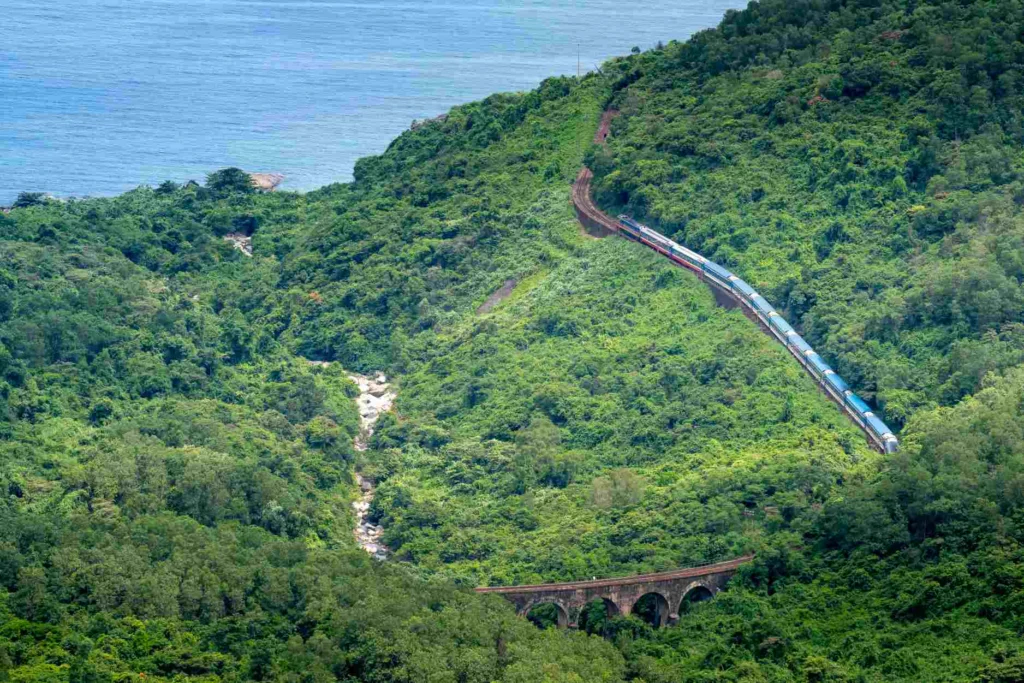
Significance:
Includes the Darjeeling, Nilgiri, and Kalka‑Shimla railways, celebrated for their engineering marvels and scenic landscapes.
Travel Planning Tips
Clustering Sites:
Combine Delhi, Agra, and Jaipur for an efficient heritage circuit. Similarly, club Ajanta–Ellora with nearby attractions in Maharashtra.
Best Time to Visit:
October to March for most cultural sites; July–September for Valley of Flowers.
Guided Tours:
Consider certified guides for complex sites like Hampi, Khajuraho, and Chola temples.
Accessibility:
Many heritage structures involve steps and uneven terrain; plan accordingly.
Responsible Travel Etiquette
Dress modestly at temples and religious sites.
Remove footwear where required.
Avoid touching ancient sculptures and carvings.
Support local artisans and guides.
Follow wildlife protection norms in national parks.
Conclusion
India’s UNESCO World Heritage Sites represent a kaleidoscope of civilizations, dynasties, and ecosystems. From the grandeur of the Taj Mahal to the serene landscapes of Kaziranga and the intellectual legacy of Santiniketan, each site tells a unique story. Exploring them is more than sightseeing—it is about connecting with humanity’s shared heritage. Travelers are encouraged to approach these sites with respect, curiosity, and a commitment to sustainable tourism.