Introduction
Stress has become a constant part of modern life. Whether it’s the pressure of studies, work deadlines, financial struggles, or personal responsibilities, most people experience mental and physical strain on a daily basis. While a little stress can motivate us to perform better, chronic stress has harmful effects on our mind and body. It can lead to anxiety, sleep problems, high blood pressure, depression, and even lifestyle diseases like diabetes or heart problems.
Fortunately, nature has already given us powerful tools to fight stress — yoga and meditation. These ancient practices, which originated thousands of years ago in India, have gained worldwide recognition for their effectiveness in calming the mind, improving focus, and restoring emotional balance. Backed by both traditional wisdom and modern science, yoga and meditation are proven to be among the best natural remedies for stress relief.
In this article, we will explore the Top 10 Benefits of Yoga and Meditation for Stress Relief in detail. By the end, you will understand why these practices are not just fitness trends but essential lifestyle choices for long-term mental and physical well-being.
1. Reduces Anxiety and Calms the Mind
One of the most immediate benefits of yoga and meditation is the reduction of anxiety. Stress often comes from overthinking the past or worrying about the future. Yoga postures and breathing exercises help you stay in the present moment, while meditation teaches mindfulness — the art of observing thoughts without judgment. Together, they calm racing thoughts and reduce mental restlessness.
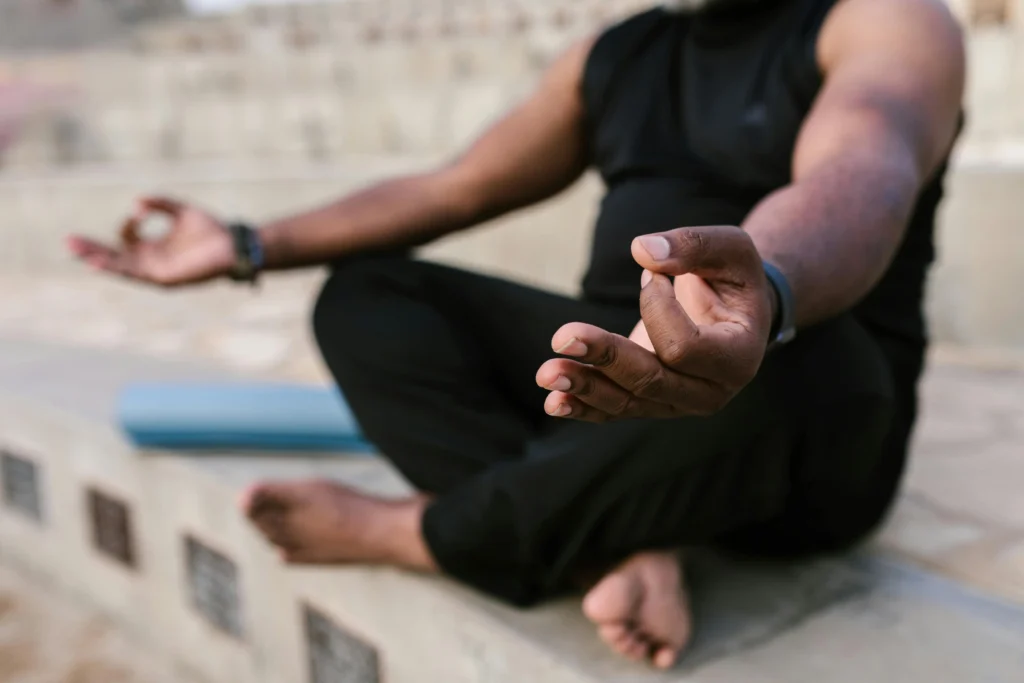
Example: Simple practices like deep breathing (pranayama) or sitting in mindfulness meditation for 10 minutes daily can lower cortisol (the stress hormone) and reduce symptoms of anxiety disorders.
2. Improve Sleep Quality
Stress often disrupts sleep by keeping the mind active even when the body is tired. Insomnia or poor-quality sleep further increases stress, creating a harmful cycle. Yoga and meditation break this cycle by relaxing the nervous system.

Gentle poses such as Legs-Up-the-Wall (Viparita Karani) or Child’s Pose (Balasana), when practiced before bedtime, release muscle tension and slow down the mind. Similarly, meditation helps clear negative thoughts that keep you awake. As a result, practitioners fall asleep faster and enjoy deeper, more restorative sleep.
3. Enhances Focus and Concentration

Stress makes it difficult to focus. When your mind is occupied with worries, you cannot concentrate on work, studies, or personal goals. Meditation, particularly mindfulness and breath-awareness techniques, improves attention span by training the brain to stay focused on one task at a time.
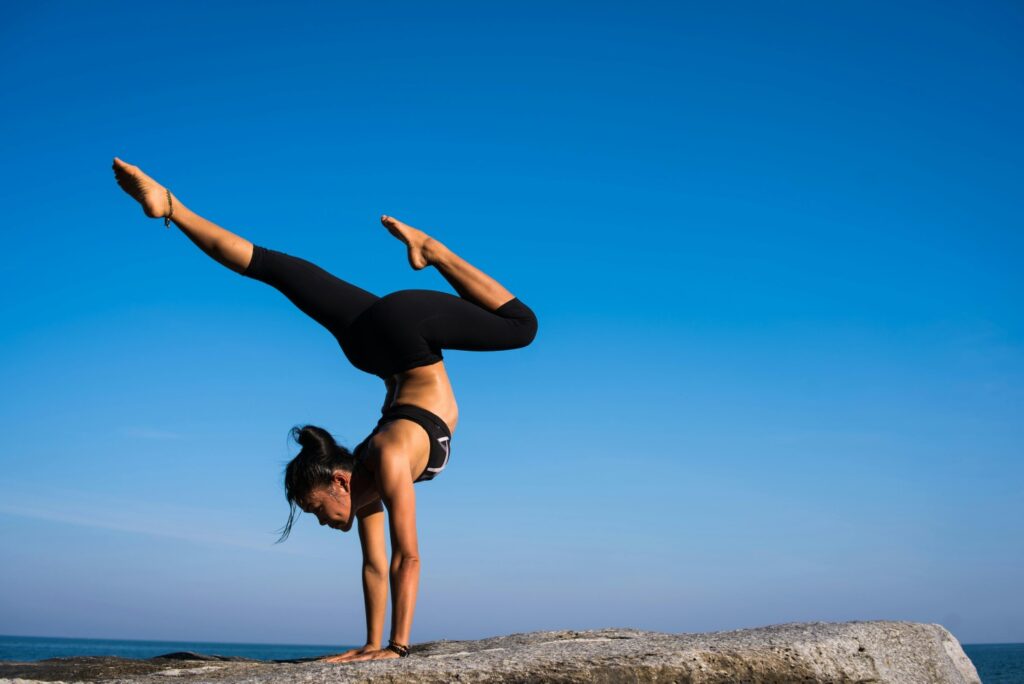
Yoga also sharpens concentration through balance-oriented postures like Tree Pose (Vrikshasana) or Warrior III (Virabhadrasana III), which require mental focus along with physical stability. With consistent practice, both yoga and meditation improve memory, problem-solving, and decision-making abilities.
4. Boosts Emotional Resilience

Emotional resilience means the ability to handle life’s challenges without breaking down. Stressful events are unavoidable, but how we respond to them determines their impact. Yoga and meditation build emotional strength by teaching acceptance, patience, and self-awareness.
Through meditation, people learn to observe emotions instead of reacting impulsively. Yoga postures and breathing techniques balance the body’s energy and promote inner calm. Over time, this makes individuals less reactive to stressful situations and better equipped to handle failures, criticism, or sudden changes.
5. Relieves Physical Tension and Fatigue
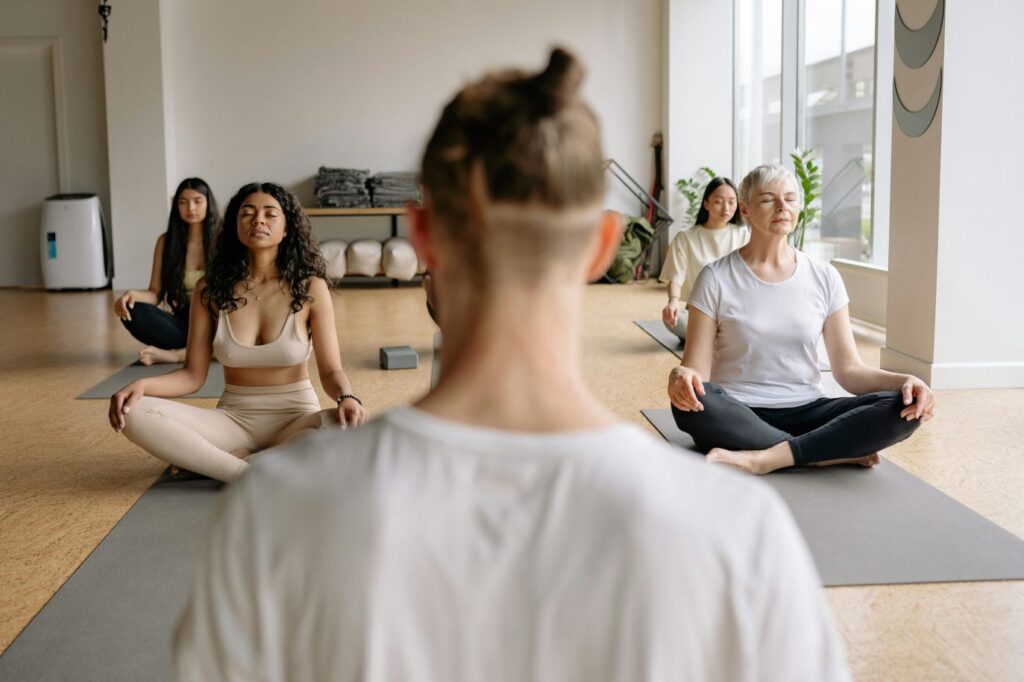
Stress is not only mental; it shows up in the body as muscle tightness, headaches, fatigue, or digestive issues. Yoga directly addresses these physical symptoms. The gentle stretching of asanas relaxes tight muscles, improves posture, and enhances blood circulation. Pranayama (breathing exercises) increases oxygen supply to the body, making you feel refreshed and energetic.
Meditation, on the other hand, lowers heart rate and blood pressure, reducing the strain caused by stress. Together, they help the body release accumulated tension, leaving you physically lighter and more relaxed.
6. Strengthens the Immune System
Chronic stress weakens the immune system, making you more vulnerable to infections, colds, and even long-term illnesses. Studies have shown that yoga and meditation can reverse this effect.
By reducing stress hormones and increasing the production of positive neurochemicals like serotonin, these practices boost immunity. Regular practitioners often report fewer instances of sickness and faster recovery from illnesses. In other words, yoga and meditation not only fight stress but also protect you from stress-related diseases.
7. Encourages Positive Thinking and Gratitude

Stress often fills the mind with negativity and hopelessness. Meditation helps reframe thoughts by cultivating gratitude, compassion, and self-acceptance. For example, loving-kindness meditation (Metta Bhavana) involves silently repeating phrases of goodwill towards oneself and others, reducing anger and resentment.
Yoga too promotes positivity through mindful movement and the philosophy of self-awareness. Finishing a yoga session in Shavasana (Corpse Pose) allows practitioners to connect deeply with inner peace, leading to a more optimistic outlook on life.
8. Promotes Better Relationships

Stress can strain relationships, causing irritability, arguments, and miscommunication. Yoga and meditation help by creating emotional balance and empathy. When the mind is calm, it becomes easier to listen, understand, and respond kindly.
Meditation fosters compassion, patience, and forgiveness, making interactions smoother. Yoga groups or community classes also create supportive social connections, reducing loneliness and offering a sense of belonging. Thus, these practices not only improve self-care but also nurture healthier personal and professional relationships.
9. Provides Sustainable Stress Management

Many people try to cope with stress through temporary solutions like caffeine, alcohol, or entertainment. While these may provide short-term relief, they do not address the root cause of stress. Yoga and meditation, however, offer long-term and sustainable stress management.
They teach techniques that can be practiced anywhere — at home, in the office, or even during travel. Unlike medication, they have no side effects and can be adapted to suit all ages and lifestyles. With regular practice, they gradually rewire the brain to respond to stress in healthier ways.
10. Improves Overall Quality of Life

The combined benefits of yoga and meditation go beyond stress relief. They create a lifestyle of balance, self-discipline, and holistic health. From better sleep and stronger immunity to greater peace of mind and emotional intelligence, these practices enhance every aspect of life.
Many people who adopt yoga and meditation report feeling more energetic, focused, and content. They experience greater clarity in decision-making and a deeper sense of purpose. Ultimately, the most important benefit is a better quality of life, where stress no longer controls your happiness.
Scientific Support for These Benefits
Modern science strongly supports the effectiveness of yoga and meditation:
A Harvard Medical School study showed that meditation reduces anxiety and improves sleep quality.
NIH research confirmed that yoga lowers blood pressure, heart rate, and cortisol levels.
A Journal of Clinical Psychology review found mindfulness meditation as effective as therapy for stress-related disorders.
These findings prove that the top 10 benefits discussed above are not just beliefs but scientifically verified truths.
Practical Tips to Get Started
Begin with 10–15 minutes daily, gradually increasing the duration.
Combine yoga asanas with a short meditation session for maximum benefits.
Use guided meditation apps or join a yoga class if you are a beginner.
Practice in a quiet, comfortable space to avoid distractions.
Be patient — consistent practice brings lasting results.
Conclusion
In a world where stress has become the “new normal,” yoga and meditation shine as powerful, natural solutions. They go beyond temporary relaxation to provide deep and lasting transformation. The top 10 benefits — reduced anxiety, better sleep, improved focus, emotional resilience, physical relaxation, stronger immunity, positivity, healthier relationships, sustainable stress relief, and improved quality of life — prove their unmatched value.
By dedicating just a few minutes each day to these practices, anyone can cultivate peace of mind, enhance well-being, and build resilience against life’s challenges. Yoga and meditation are not just ancient traditions — they are timeless tools for living a stress-free and fulfilling life.