Introduction
In today’s modern world, we are surrounded by technology, comfort, and convenience. However, this convenience comes at a cost — rising pollution levels, climate change, deforestation, and a growing pile of non-recyclable waste. Often, we assume that solving these environmental issues is only the responsibility of governments or large organizations. But the truth is, small daily habits practiced by individuals can create a massive positive impact.
An eco-friendly lifestyle is not about living without comfort; it’s about making thoughtful choices that protect the planet while improving our own well-being. From carrying a cloth bag to saving electricity, even the smallest actions can contribute to a healthier Earth. This article explores how simple habits can lead to big changes and why adopting an eco-friendly lifestyle is essential today.
What Does an Eco-Friendly Lifestyle Mean?
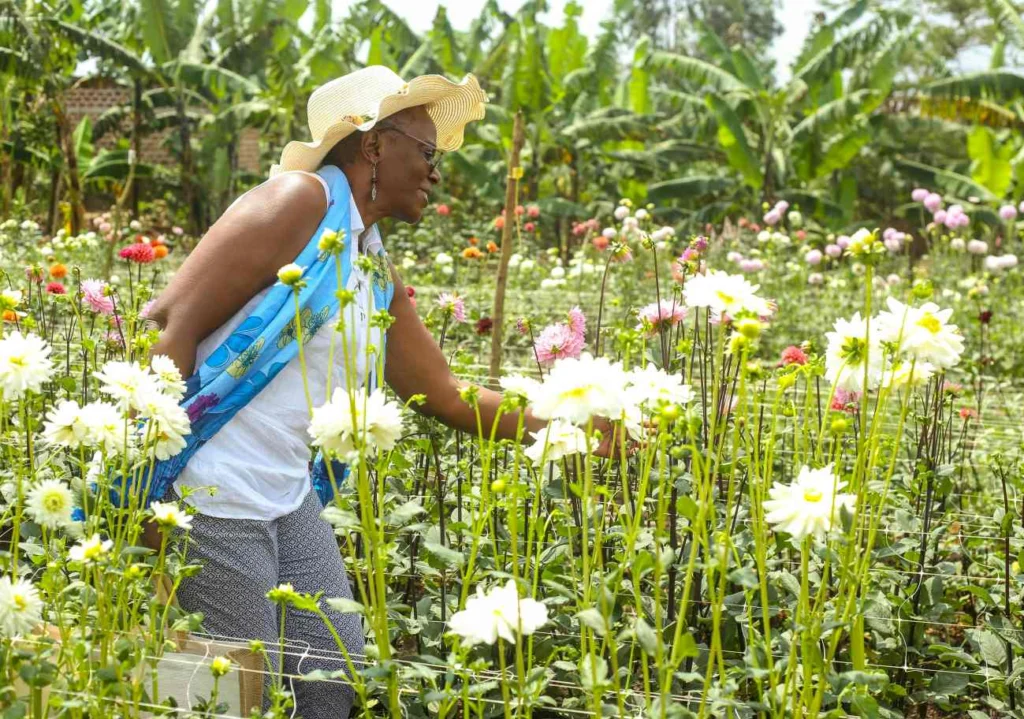
An eco-friendly lifestyle simply means living in harmony with nature. It is about reducing harm to the environment through conscious daily practices such as:
•Reducing waste,
•Conserving water and energy,
•Choosing sustainable products,
•Supporting green businesses.
It doesn’t mean giving up modern comforts. Instead, it’s about balancing convenience with responsibility.
Why an Eco-Friendly Lifestyle Matters

- Climate Change Control – Small efforts like reducing energy use can collectively cut down greenhouse gases.
- Healthier Living – Eco-friendly habits promote cleaner air, better food choices, and healthier surroundings.
- Resource Conservation – Natural resources like water, fossil fuels, and forests are limited. Sustainable living ensures they last longer.
- Financial Savings – Energy-efficient habits like turning off unused lights or reducing water wastage also save money.
- Future Generations – Practicing eco-friendliness ensures a cleaner, safer planet for our children and grandchildren.
Small Habits That Make a Big Difference
1. Reduce, Reuse, Recycle
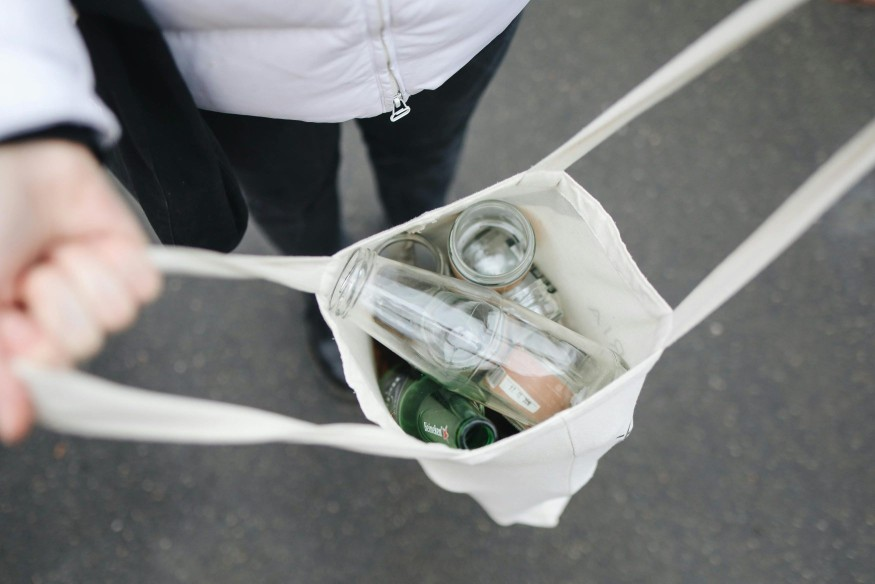
Reduce unnecessary purchases. Ask yourself before buying: Do I really need this?
Reuse items like jars, bottles, and bags instead of buying new ones.
Recycle paper, plastic, and metal properly so they don’t end up in landfills.
2. Carry Reusable Bags and Bottles
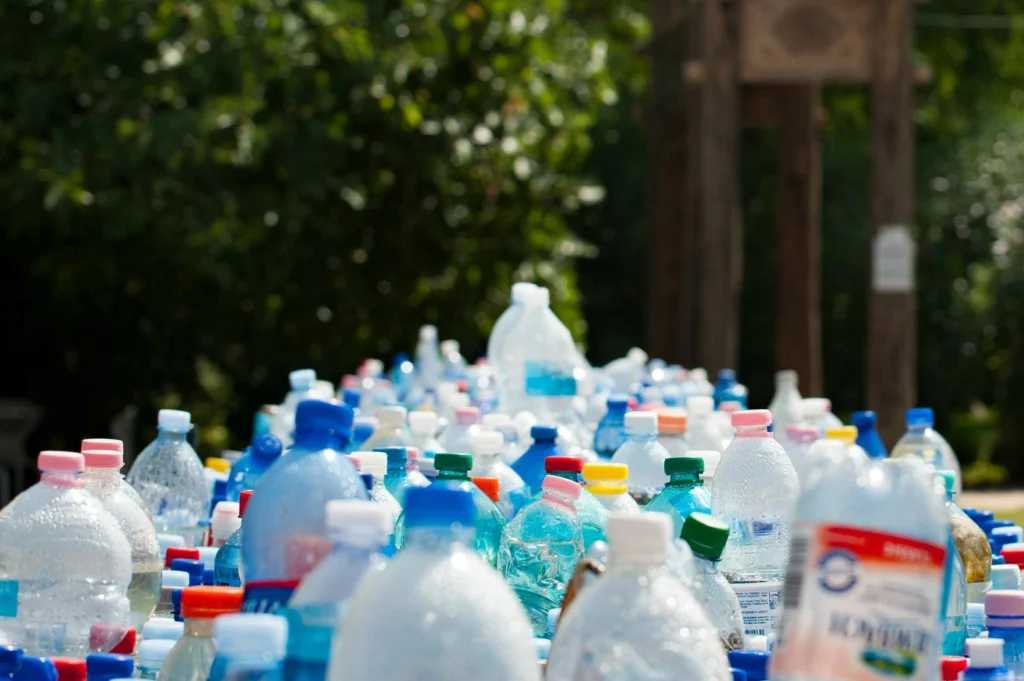
Plastic bags are one of the biggest pollutants. Carrying a cloth or jute bag when shopping eliminates the need for single-use plastic. Similarly, using a reusable steel or glass water bottle reduces plastic waste significantly.
3. Save Electricity
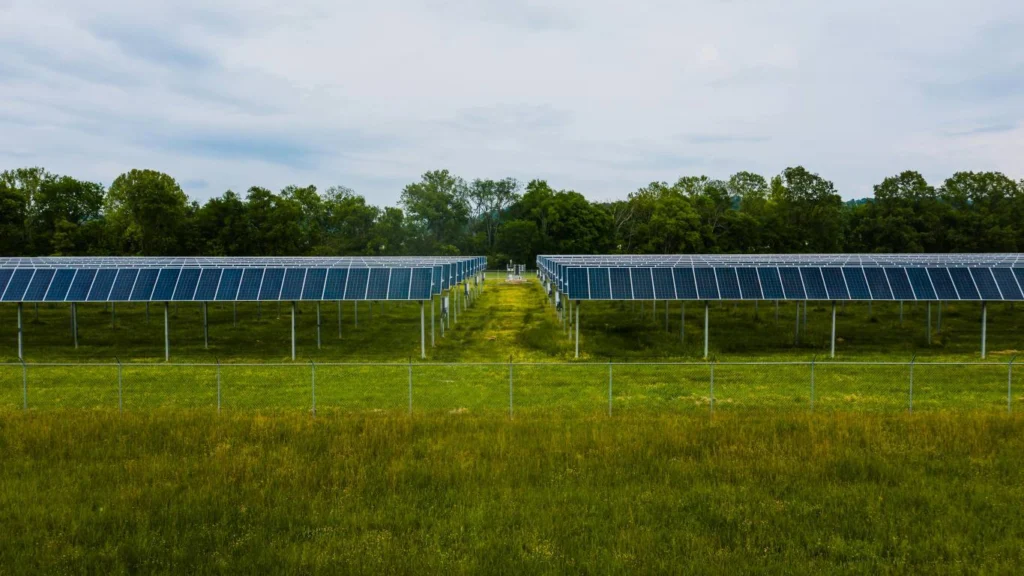
Switch off fans, lights, and appliances when not in use.
Use energy-efficient appliances like LED bulbs.
Maximize natural light during the day.
4. Conserve Water

Water scarcity is becoming a global crisis. Simple steps can make a big impact:
Fix leaking taps immediately.
Turn off the tap while brushing teeth.
Collect rainwater for gardening or cleaning.
5. Prefer Public Transport or Cycling
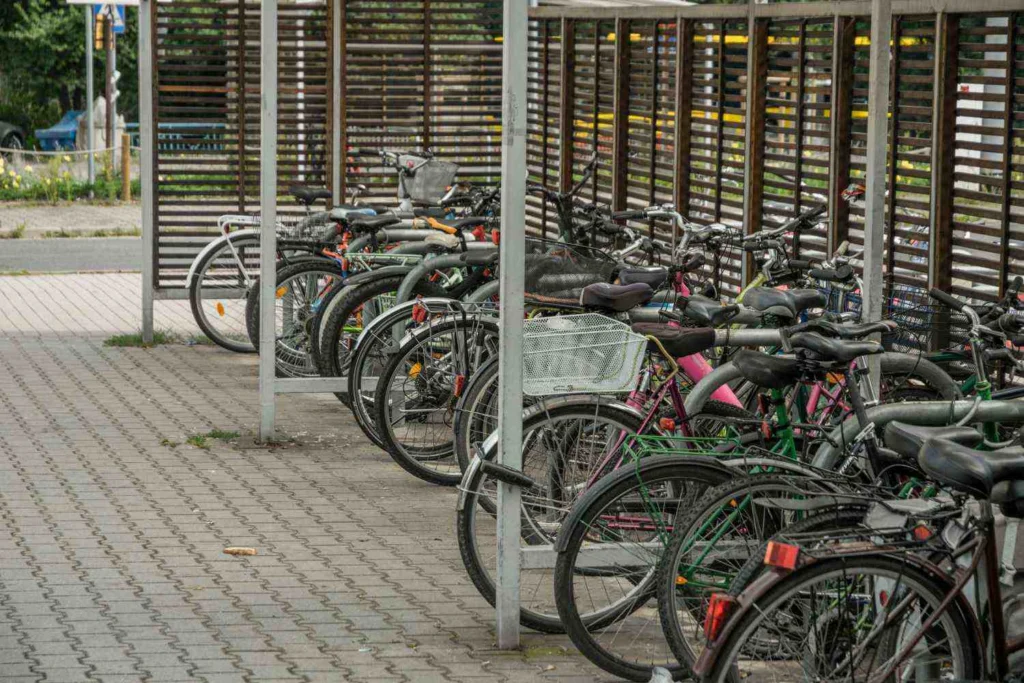
Instead of driving alone, try carpooling, cycling, or using public transportation. It reduces air pollution and saves fuel.
6. Avoid Single-Use Plastics

Plastic straws, cups, and cutlery are used for minutes but pollute the environment for centuries. Switch to bamboo, steel, or biodegradable alternatives.
7. Eat Local and Seasonal Food
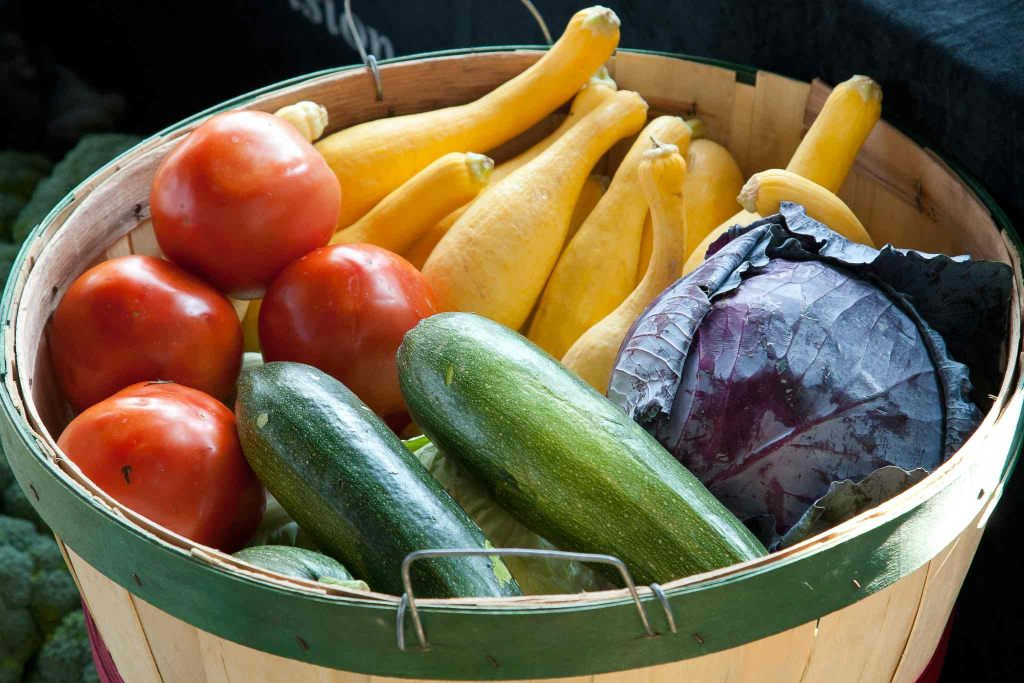
Locally grown food doesn’t require long-distance transportation, which reduces carbon emissions. Seasonal food is healthier and fresher too.
8. Compost Kitchen Waste

Food scraps and vegetable peels can be turned into natural fertilizer through composting. This reduces waste and enriches soil naturally.
9. Support Eco-Friendly Brands

Buy from companies that use sustainable practices, like recycled packaging or cruelty-free products. Each purchase is like a vote for the kind of world you want to live in.
10. Plant Trees and Grow Plants at Home

Trees absorb carbon dioxide, provide oxygen, and reduce heat. Even keeping indoor plants can improve air quality.
Eco-Friendly Habits at Home

•Use natural cleaners like vinegar and baking soda instead of harsh chemicals.
•Wash clothes in cold water to save electricity.
•Air-dry clothes instead of using a dryer.
•Install low-flow showerheads to reduce water usage.
•Avoid unnecessary printing; go digital wherever possible.
Eco-Friendly Habits at Work or School
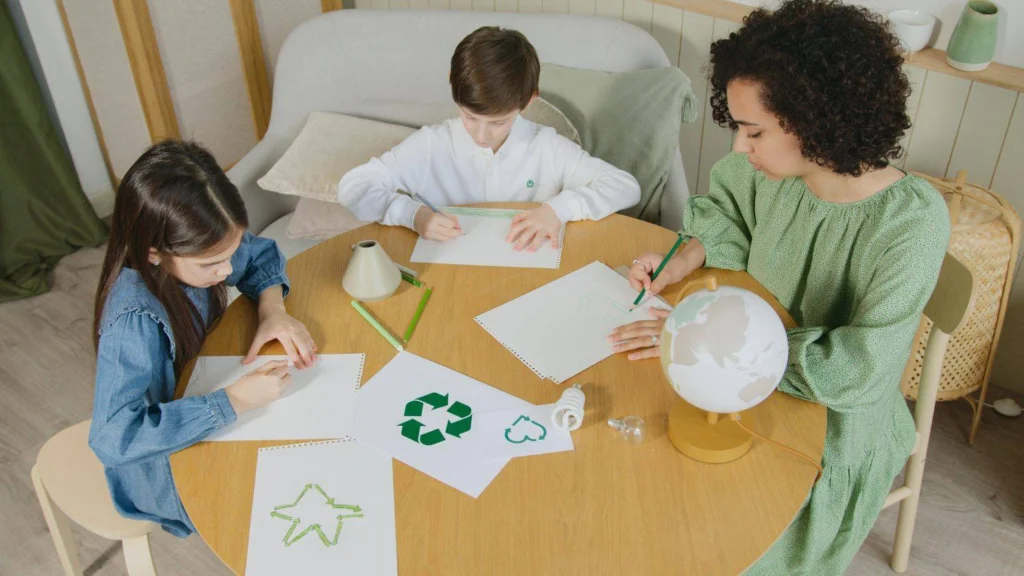
•Carry your own reusable coffee mug or water bottle.
•Use both sides of paper before recycling.
•Encourage e-documents instead of printed copies.
•Share rides with colleagues or classmates.
•Turn off computer screens and lights when not needed.
Eco-Friendly Habits While Traveling
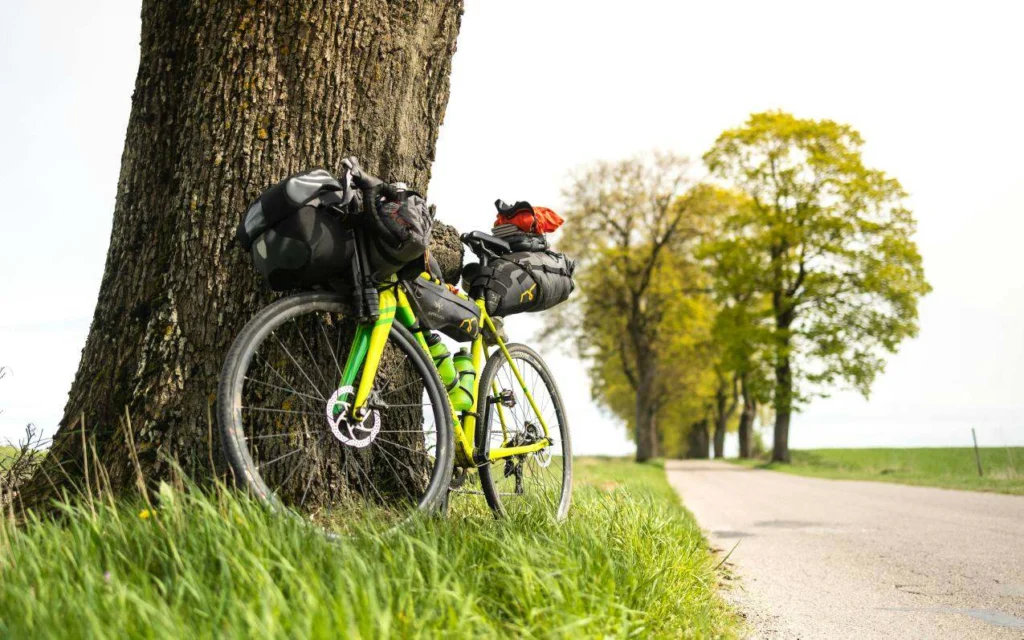
•Carry reusable cutlery and water bottles.
•Choose eco-friendly hotels that follow sustainable practices.
•Respect local culture and environment by not littering.
•Travel light — the less weight airplanes carry, the less fuel they burn.
•Support local artisans instead of buying mass-produced souvenirs.
The Financial Benefits of Eco-Friendly Living

Many people think eco-friendly living is expensive. In reality, it saves money in the long run:
•Using solar energy reduces electricity bills.
•Buying fewer but durable items saves money over time.
•Public transport and cycling reduced fuel costs.
•Composting reduces the need for expensive fertilizers.
•Eco-friendly living is not only good for the planet but also for your wallet.
Breaking the Myths About Eco-Friendly Living

Myth 1:
“Eco-friendly living is too difficult.”
Truth: Small habits like carrying a cloth bag are easy and effective.
Myth 2:
“It’s only for rich people.”
Truth: Many eco-friendly practices like saving water, reusing items, and switching off lights actually save money.
Myth 3:
“One person can’t make a difference.”
Truth: When millions of people change small habits, the collective impact is massive.
Real-Life Examples of Small Changes Leading to Big Impact
1. Plastic Ban in India –
Several states have banned single-use plastics, reducing tons of waste.
2. Community Composting –
Local groups in cities like Bengaluru and Pune are turning waste into fertilizer, reducing landfill pressure.
3. Cycling Culture in the Netherlands –
A habit of cycling daily has made the country one of the cleanest and healthiest in the world.
These examples show that everyday habits, when practiced collectively, can bring visible change.
How to Stay Motivated on the Eco-Friendly Journey
Start small:
Don’t try to change everything at once.
Track progress:
Count how many plastic bottles you avoided or how much electricity you saved.
Inspire others:
Share your eco-friendly journey with friends and family.
Remember the bigger picture:
Every habit is a contribution to saving our planet.
Conclusion
An eco-friendly lifestyle is not about making drastic sacrifices; it’s about making smarter, thoughtful choices every day. By changing small habits like carrying a cloth bag, reducing plastic, conserving water, and saving energy, we create a ripple effect of positivity. These small steps not only protect the planet but also improve our health, reduce stress, and save money.
Chhoti aadaton se hi bada badlav aata hai. Each eco-friendly choice you make is like planting a seed for a greener, healthier, and happier future. If millions of people take these small steps, the collective impact will be nothing short of extraordinary.