Introduction
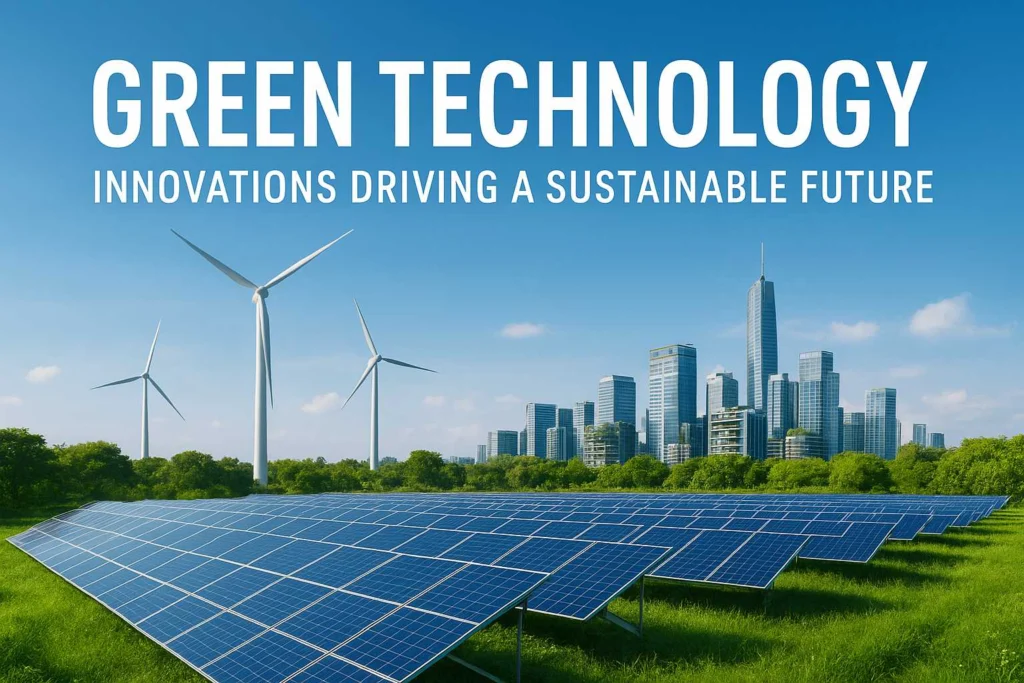
The 21st century is defined by two parallel forces: rapid technological growth and the urgent need to address environmental crises. From rising global temperatures to extreme weather events, the effects of climate change are already visible across continents. The United Nations warns that unless bold measures are taken, the planet could warm by more than 1.5°C in the coming decades—bringing irreversible damage to ecosystems, human health, and economies.
In this context, green technology—also known as clean technology or environmental technology—has emerged as a vital solution. Green technology refers to the use of science and innovation to create products, systems, and practices that reduce environmental harm while promoting economic and social sustainability. By 2030, investments in green technology are expected to reach trillions of dollars, as governments, businesses, and individuals work toward building a net-zero carbon future.
This article explores the top innovations in green technology that are driving a sustainable future across energy, transportation, construction, agriculture, and beyond.
Renewable Energy Advancements
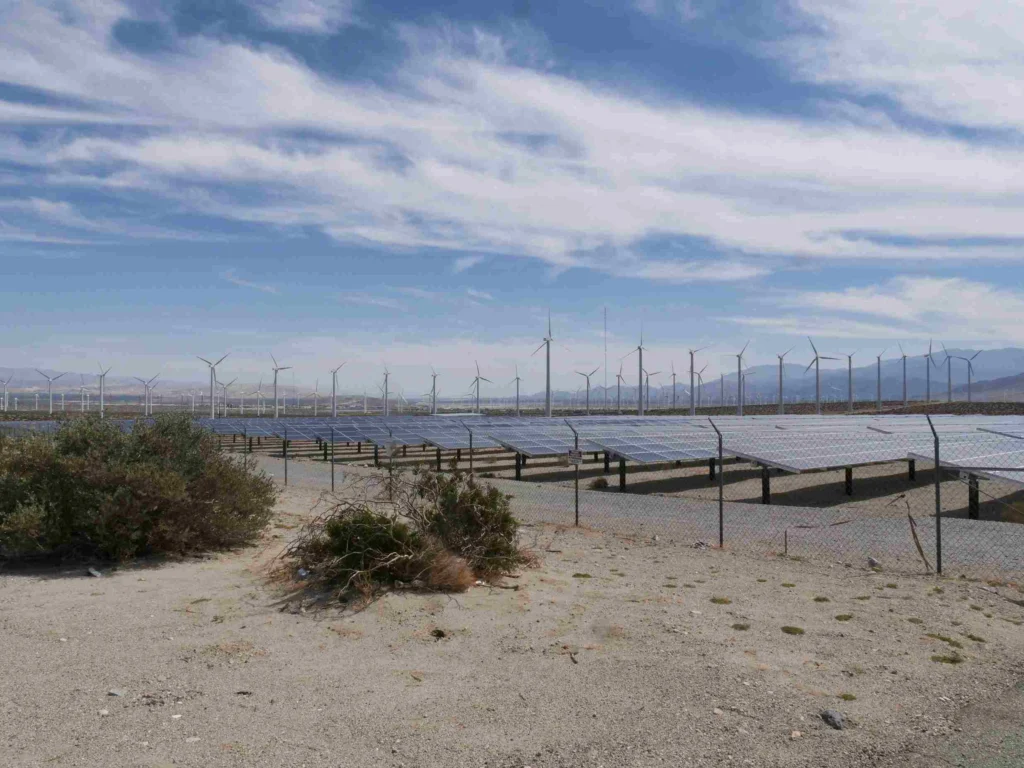
One of the most important pillars of green technology is renewable energy. Fossil fuels currently dominate the global energy mix, but they are the primary contributors to greenhouse gas emissions. Green innovations in renewables are revolutionizing the way energy is produced and consumed.
Solar Energy:
Modern breakthroughs such as perovskite solar cells are making solar panels more efficient and cheaper. Floating solar farms, deployed on lakes and reservoirs, maximize land use and provide additional cooling benefits.
Wind Energy:
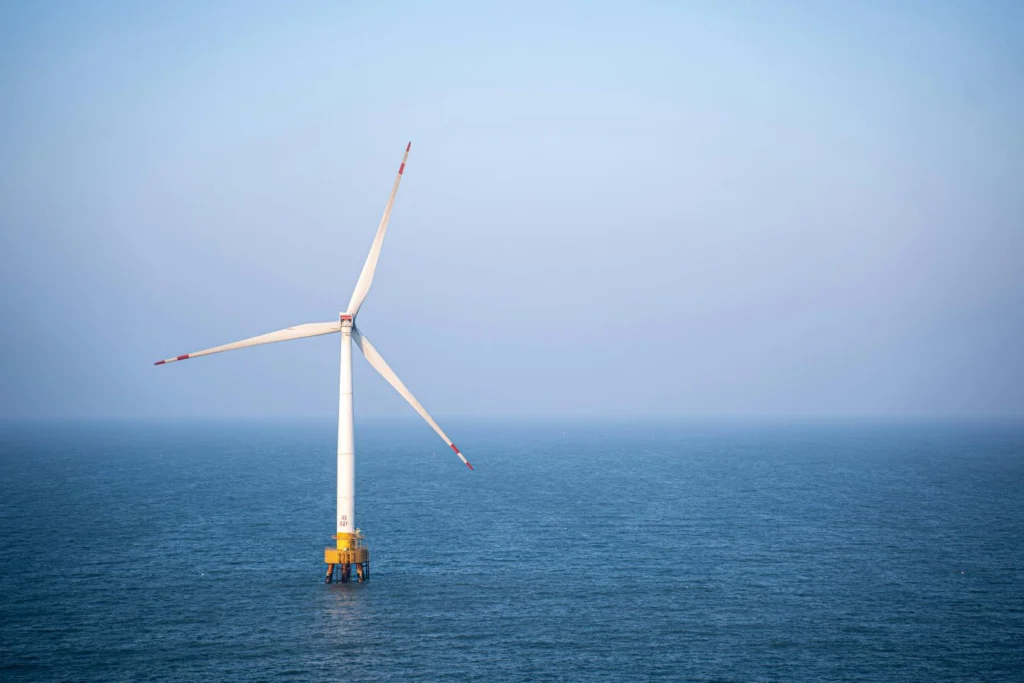
Offshore wind turbines are now capable of producing energy on a massive scale. Bladeless wind turbines are emerging as an eco-friendly solution with reduced noise and maintenance costs.
Hydropower and Tidal Energy:
Ocean waves and tides are being harnessed through experimental technologies, offering a reliable and predictable source of clean energy.
Geothermal Energy:
Deep drilling technologies are enabling access to geothermal heat, even in regions that were previously unsuitable.
By 2050, renewables are projected to provide nearly 70% of global electricity, making this sector one of the most transformative in the fight against climate change.
2. Energy Storage Solutions
Producing renewable energy is only one part of the solution; storing it efficiently is equally important. Because solar and wind are intermittent sources, energy storage ensures a steady and reliable supply.
Advanced Batteries:
Next-generation batteries, such as solid-state batteries and lithium-sulfur batteries, promise higher energy density, faster charging, and longer lifespans compared to current lithium-ion batteries.
Hydrogen Fuel Cells:
Hydrogen is emerging as a clean energy carrier. When produced using renewable electricity (green hydrogen), it can store excess energy and power industries, transportation, and even homes.
Smart Grids:
Digital technologies are enabling decentralized grids, where energy is stored locally and distributed intelligently to reduce waste and blackout risks.
These innovations ensure that renewable energy becomes a reliable backbone of the global energy system.
3. Sustainable Transportation
The transportation sector accounts for nearly 25% of global CO₂ emissions, making it a key focus for green innovation.
Electric Vehicles (EVs):
EV adoption is growing rapidly, with governments incentivizing zero-emission vehicles. Battery technology advancements are extending driving ranges and reducing costs.
Green Aviation:
Airlines are experimenting with biofuels, hydrogen-powered aircraft, and electric planes to reduce emissions. Airbus, for example, has unveiled hydrogen-powered aircraft concepts for 2035.
Public Transport and Hyperloop:
Eco-friendly mass transport systems like electric buses, magnetic levitation trains, and hyperloop technology are reshaping urban mobility.
By 2040, the International Energy Agency predicts that more than 50% of new car sales will be electric, accelerating the shift toward low-carbon transport.
4. Green Buildings and Smart Cities
Buildings contribute to nearly 40% of global energy-related emissions, making sustainable construction a priority.
Eco-Friendly Materials:
Innovations such as carbon-neutral concrete, bamboo composites, and recycled steel are reducing the carbon footprint of construction.
Smart Energy Systems:
Smart sensors and AI-driven systems regulate lighting, heating, and cooling, optimizing energy use in real-time.
Vertical Farming and Urban Agriculture:
Integrating food production into city landscapes reduces transportation emissions and enhances food security.
Smart cities powered by green technology aim to balance urban growth with environmental preservation, improving both sustainability and quality of life.
5. Waste Management and Circular Economy

Waste is a growing global concern, with millions of tons of plastic entering oceans every year. Green technology offers innovative solutions:
Recycling Innovations:
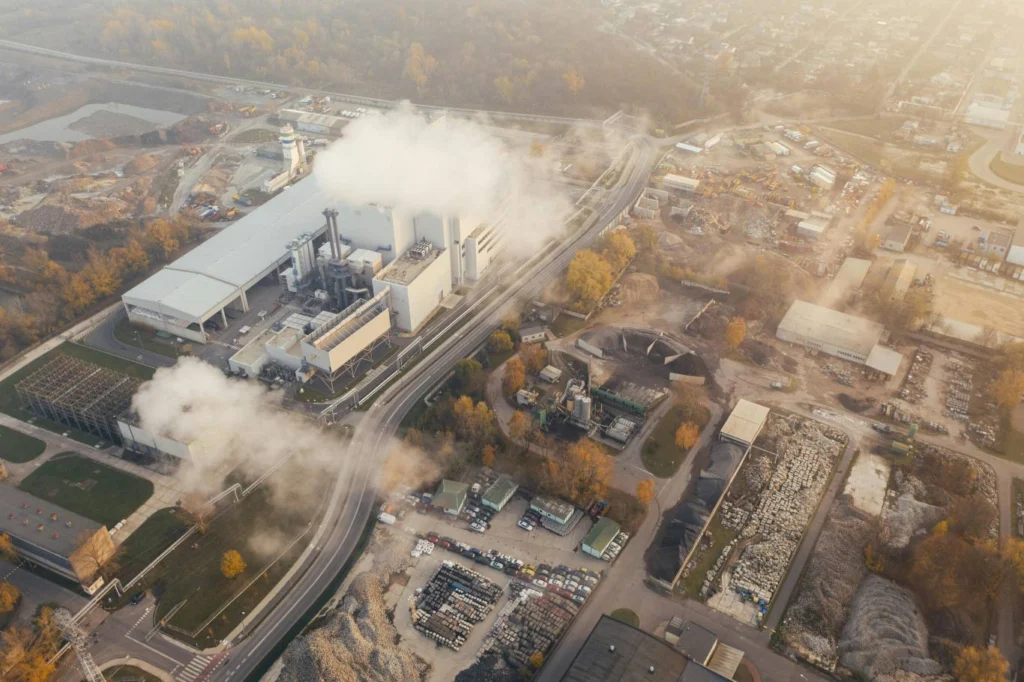
Chemical recycling transforms plastic waste back into raw materials, while waste-to-energy plants convert non-recyclable waste into electricity.
Circular Economy:
Companies are adopting circular business models, designing products that can be reused, repaired, or recycled.
Zero-Waste Cities:
Cities like San Francisco are pioneering initiatives to divert nearly all waste from landfills.
The circular economy not only reduces pollution but also creates new industries and job opportunities.
6. Water Conservation Technologies

Water scarcity affects billions of people globally. By 2030, demand for freshwater is expected to exceed supply by 40%. Green innovations are addressing this crisis:
Renewable-Powered Desalination:
Solar and wind-powered desalination plants are producing clean water from seawater without relying on fossil fuels.
Smart Irrigation Systems:
Sensors and AI-based irrigation optimize water use in agriculture, reducing waste.
Wastewater Recycling:
Technologies now make it possible to purify wastewater for reuse in agriculture, industry, and even drinking.
These innovations are essential for building water resilience in a warming world.
7. Agriculture and Food Innovations

Feeding a growing population sustainably is one of humanity’s greatest challenges. Green technologies are transforming agriculture:
Precision Farming:
Using drones, IoT devices, and AI, farmers can monitor soil health, predict weather, and optimize fertilizer and water use.
Alternative Proteins:
Lab-grown meat and plant-based protein alternatives reduce the environmental impact of livestock farming.
Vertical and Hydroponic Farming:
These techniques produce food in urban settings with minimal land and water.
Such innovations ensure food security while reducing agriculture’s carbon footprint.
8. Carbon Capture and Storage (CCS)

Even with green innovations, some emissions are unavoidable. Carbon capture technologies are designed to absorb CO₂ directly from the air or at the source of emissions.
Direct Air Capture (DAC):
Companies like Climeworks are deploying systems that pull carbon dioxide directly from the atmosphere.
Bio-Energy with CCS (BECCS):
Biomass energy plants capture and store their CO₂ emissions underground, making them carbon-negative.
Industrial Applications:
Cement and steel plants are integrating CCS systems to offset emissions.
By 2050, CCS is expected to capture billions of tons of carbon annually, playing a critical role in reaching net-zero targets.
9. Green IT and Digital Solutions

The digital revolution itself is becoming greener.
Energy-Efficient Data Centers: Companies like Google and Microsoft are building data centers powered entirely by renewable energy.
AI for the Environment:
Artificial intelligence is monitoring deforestation, predicting natural disasters, and optimizing energy use.
Blockchain for Sustainability:
Blockchain platforms are enabling peer-to-peer renewable energy trading and supply chain transparency.
These innovations highlight how digital tools can support sustainability goals.
10. Policy, Investment, and Global Collaboration

Green technology cannot thrive without supportive policies and global cooperation. Governments, corporations, and international organizations are working together to accelerate adoption.
Government Incentives:
Tax breaks, subsidies, and regulatory frameworks are encouraging green investments.
Sustainable Finance:
ESG (Environmental, Social, and Governance) investing has become mainstream, directing capital toward eco-friendly innovations.
Global Cooperation:
Agreements like the Paris Accord are fostering international collaboration on climate solutions.
The role of policy and finance ensures that green technologies move from niche markets to global standards.
Conclusion
Green technology is not just an innovation—it is a necessity for the survival and progress of humanity. From renewable energy to sustainable food systems, these innovations are reshaping industries, reducing emissions, and creating new economic opportunities.
The path toward a sustainable future requires collective action. Governments must enact bold policies, businesses must adopt eco-friendly models, and individuals must make conscious choices. If embraced fully, green technology holds the power to create a future where economic growth and environmental stewardship coexist harmoniously.
The time for action is now, and green innovation is the key to driving that transformation.
References
International Energy Agency (IEA), Global Energy Outlook (2023).
Intergovernmental Panel on Climate Change (IPCC), Sixth Assessment Report (2022).
World Economic Forum, Green Technology and Sustainability (2023).
McKinsey & Company, The Net Zero Transition (2022).
United Nations Environment Programme, Emissions Gap Report (2022).