Introduction: The Call of the Himalayas
The Himalayas are not just mountains—they are a world of their own. Spanning across five countries, with India being home to some of the most scenic and adventurous trails, the Himalayas have always fascinated travelers, seekers, and explorers. For beginners, trekking in the Himalayas is both thrilling and intimidating. The sheer beauty of snow-capped peaks, lush green valleys, and sparkling rivers makes the effort worthwhile.
This guide is designed to help beginners prepare for their first Himalayan trekking adventure. From choosing the right trek to understanding what to pack, safety precautions, and mental preparation—this article will cover everything you need to know before stepping onto the trail.
1. Why Choose the Himalayas for Your First Trek?
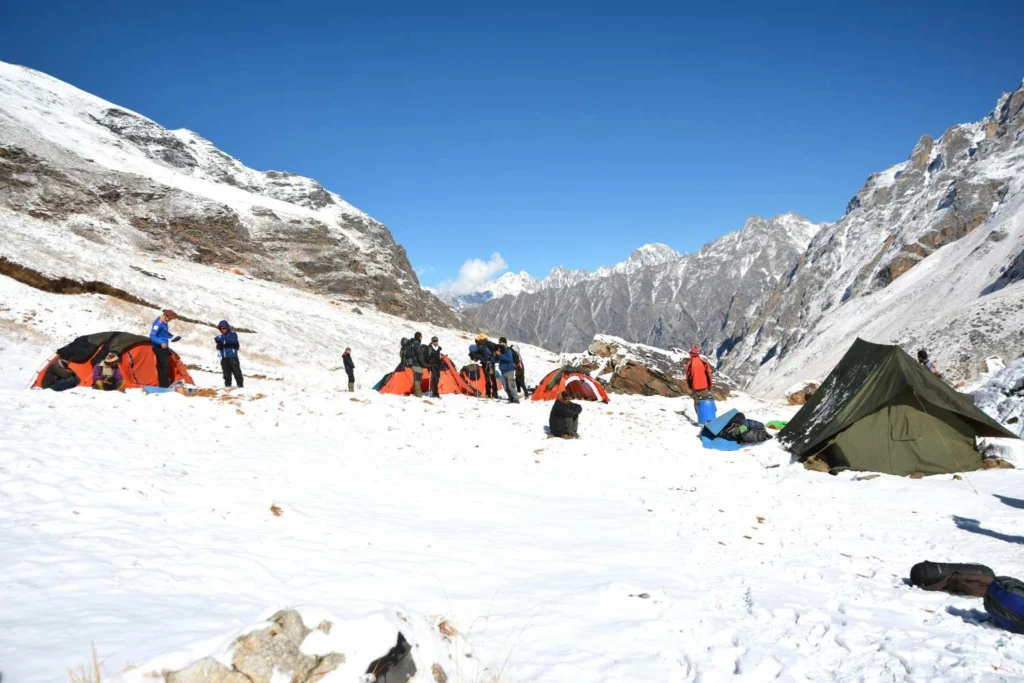
The Himalayas are not only the highest mountain range in the world but also the most diverse in terms of landscapes, culture, and wildlife.
Key Reasons:
Variety of Treks: From easy 3-day hikes to challenging expeditions, the Himalayas have treks for all skill levels.
Scenic Beauty:
•Snow-clad peaks, alpine meadows, glaciers, and dense forests.
Cultural Exposure:
•Villages rich in tradition, monasteries, and local hospitality.
Spiritual Element:
•Many treks lead to sacred sites like Kedarnath, Amarnath, or Hemkund Sahib.
For beginners, the Himalayas provide an unforgettable introduction to trekking.
2. Best Himalayan Treks for Beginners
Not all Himalayan treks are extremely difficult. Some are designed for beginners and can be done with basic preparation.
Recommended Beginner-Friendly Treks:
Triund Trek (Himachal Pradesh):
Duration: 2 days
Altitude: 2,850 m
Highlights:
Panoramic views of the Dhauladhar range, easy trail, and camping experience.
Nag Tibba Trek (Uttarakhand):
Duration: 2–3 days
Altitude: 3,022 m
Highlights:
Dense forests, meadows, and views of Bandarpoonch and Gangotri peaks.
Hampta Pass Trek (Himachal Pradesh):
Duration: 4–5 days
Altitude: 4,270 m
Highlights:
Contrasting landscapes—lush valleys of Kullu and barren deserts of Lahaul.
Kedarkantha Trek (Uttarakhand):
Duration: 5–6 days
Altitude: 3,800 m
Highlights:
Perfect winter trek with snow-covered campsites.
Sandakphu Trek (West Bengal–Sikkim border):
Duration: 5–6 days
Altitude: 3,636 m
Highlights:
Views of four of the world’s tallest peaks—Everest, Kanchenjunga, Lhotse, and Makalu.
These treks are achievable even for those with no prior trekking experience.
3. How to Prepare for Your First Himalayan Trek
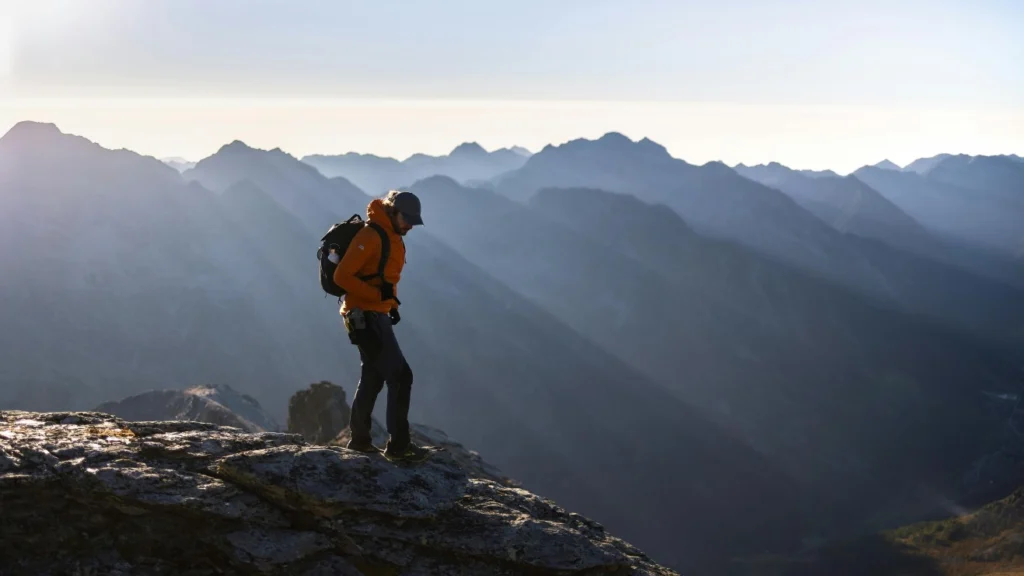
a) Physical Preparation
Start walking or jogging daily (at least 4–5 km).
Practice stair climbing with a loaded backpack.
Do breathing exercises to build lung capacity.
b) Mental Preparation
Be ready for unpredictable weather.
Accept the absence of luxury—trekking is about simplicity.
Stay motivated during tough climbs.
c) Packing Essentials
Clothing: Layered clothes (base, insulation, outer shell), gloves, woolen cap.
Shoes: Sturdy trekking boots with good grip.
Gear: Backpack (50–60 liters), trekking pole, sleeping bag (if not provided).
Personal Items: Sunscreen, sunglasses, torch, water bottles, personal medicines.
Packing light but smart is the golden rule.
4. Food and Accommodation on Himalayan Treks
Most beginner treks are organized by trekking companies that provide tents, food, and guides. On popular routes, you’ll also find tea houses or dhabas.
Food:
•Expect simple but filling meals—dal, rice, roti, vegetables, Maggi, and soup.
Stay:
•Tents or homestays depending on the trek.
Tip:
•Carry energy bars, dry fruits, and chocolates for quick boosts.
5. Safety Tips for First-Time Trekkers
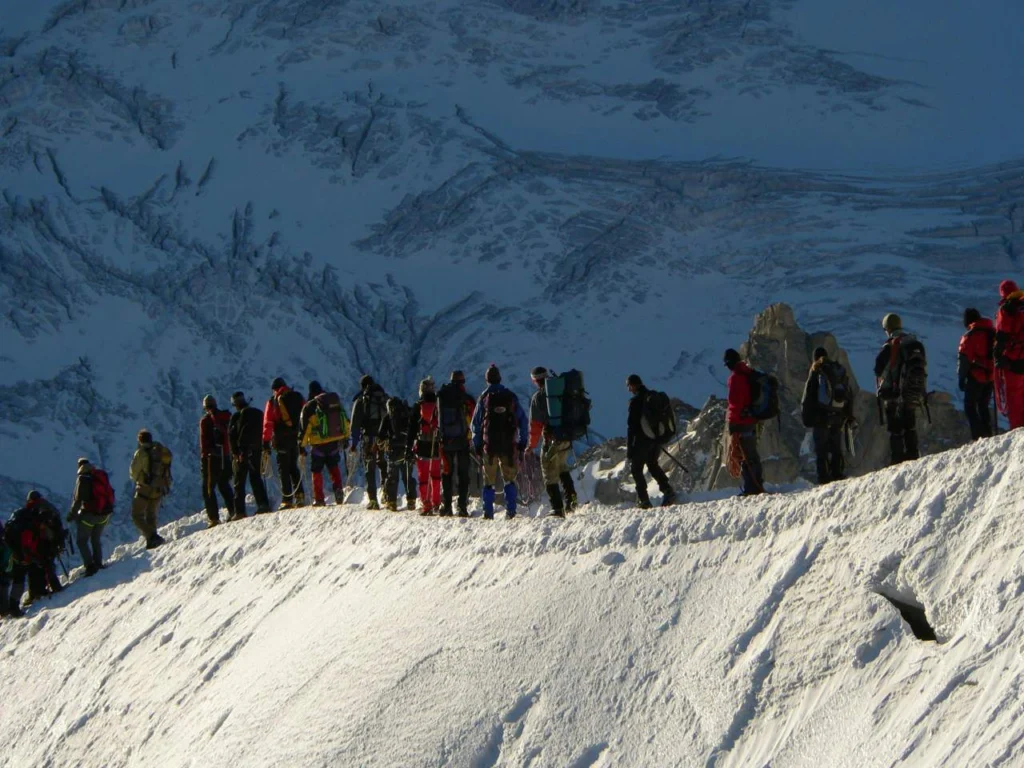
Safety should always be a priority.
Acclimatization:
•Gain altitude slowly to avoid AMS (Acute Mountain Sickness).
Stay Hydrated:
•Drink water regularly.
Listen to Guides:
•Follow the instructions of trek leaders.
First Aid:
•Always carry a small first aid kit.
Weather Awareness:
•Himalayan weather is unpredictable—always be prepared.
6. Common Challenges Beginners Face
Breathing Difficulties:
•Thin air at higher altitudes.
Fatigue:
•Long walks and steep climbs.
Cold Temperatures:
•Nights can be freezing even in summer.
Limited Facilities:
•No luxury bathrooms, electricity, or phone signals.
Being mentally prepared for these challenges makes the trek enjoyable.
7. Responsible Trekking: Respect the Himalayas
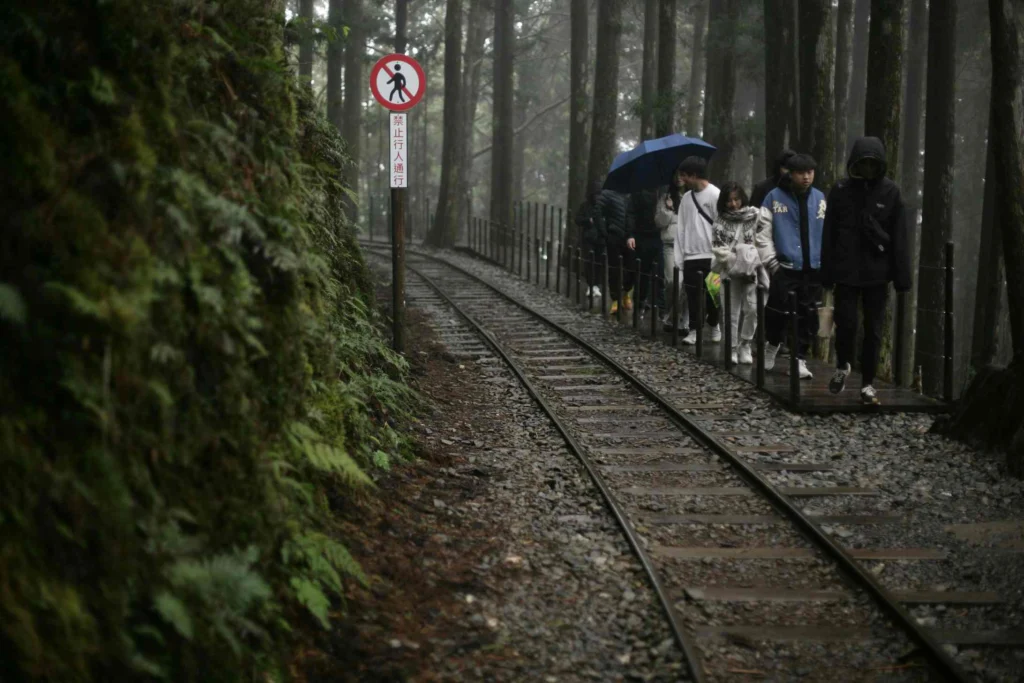
The Himalayas are fragile ecosystems. As trekkers, it’s our duty to preserve them.
No Plastic:
•Carry reusable bottles and bags.
Leave No Trace:
•Don’t litter, collect your waste.
Respect Local Culture:
•Be polite to villagers and respect their traditions.
Wildlife Safety:
•Do not disturb animals or birds.
Responsible trekking ensures that future generations can also enjoy the same beauty.
8. The Emotional and Spiritual Side of Trekking

Trekking in the Himalayas is not just a physical activity—it’s a journey within. Many trekkers describe it as life-changing because:
•It builds patience and resilience.
•It connects you deeply with nature.
•It helps you disconnect from digital life and live in the moment.
•It brings a sense of achievement when you reach a summit or pass.
The peace and silence of the mountains often stay with trekkers long after the journey ends.
FAQs on Trekking in the Himalayas
Q1. What is the best season for beginners to trek in the Himalayas?
Summer (May–June) and post-monsoon (September–October) are ideal seasons. For winter treks, December–February is great.
Q2. Do I need prior trekking experience for beginner Himalayan treks?
No, but basic fitness and preparation are necessary.
Q3. Is it safe to go without a guide?
For beginners, it’s highly recommended to trek with a guide or trekking company.
Q4. What if I get altitude sickness?
Descend immediately and inform your trek leader. Never ignore symptoms like headache, nausea, or dizziness.
Q5. How much does a beginner trek cost?
Anywhere between ₹5,000–₹15,000 depending on duration, location, and facilities.
Conclusion: Your First Step into the World of Mountains
Your first trek in the Himalayas will always hold a special place in your heart. It may be challenging, but every step brings you closer to nature and to yourself. The breathtaking landscapes, the camaraderie with fellow trekkers, and the simplicity of mountain life make it an experience you’ll never forget.
For beginners, the Himalayas are not just a destination—they are a teacher. They teach resilience, patience, and the joy of living with less. So, pack your bag, tie your laces, and take that first step. The mountains are calling, and it’s time for you to begin your Himalayan journey.